

When people hear the name Sawai Madhopur, the first thing that comes to mind is the world-famous Ranthambore National Park and its tigers. But this small Rajasthan town has a personality that goes far beyond the safari gates. Sawai Madhopur is a cultural hub where history, tradition, spirituality, and everyday rural life weave together. For travelers willing to look deeper, it offers a chance to explore forts, temples, markets, craft villages, and local cuisine. Spending time here means experiencing not just the thrill of wildlife but also the essence of Rajasthani culture. This blog explores the best things to do in Sawai Madhopur beyond Ranthambore, giving visitors reasons to extend their stay.
Even though the fort sits inside the national park, its significance goes far beyond wildlife tourism. Ranthambore Fort, a UNESCO World Heritage Site, is one of Rajasthan’s most historically rich landmarks. Built in the 10th century, it was once a strategic defense post of the Chauhan dynasty. Today, the fort draws visitors not just for its architecture but also for the Trinetra Ganesh Temple, where locals and pilgrims flock daily. The temple is believed to house Lord Ganesha with three eyes, and during Ganesh Chaturthi, the fort becomes a sea of devotees. Exploring the fort’s ruins — palaces, stepwells, and massive gates — introduces travelers to centuries of battles, legends, and Rajput traditions. For cultural travelers, the fort is one of the most rewarding experiences of Sawai Madhopur.
While many visit the fort for history, the Trinetra Ganesh Temple deserves special mention. This temple is among the most important in Rajasthan, and locals believe no wedding invitation in the region is complete until an offering is made here. The temple is filled with thousands of letters and invitations that devotees leave for Lord Ganesha. Visiting during the evening aarti, when lamps are lit and chants echo through the fort walls, is a deeply spiritual experience. For tourists, it also offers a glimpse of how religion and everyday life intertwine in Sawai Madhopur.
Located about 25 km from Sawai Madhopur, the Chauth Mata Temple sits atop a hill and is one of the most visited shrines in the area. The climb to the temple is steep but rewarding, offering panoramic views of the Aravalli hills. Built by Maharaja Bhim Singh of Marwar, the temple attracts devotees year-round, but especially during the festival of Karva Chauth, when thousands of women gather here to offer prayers. For travelers, the temple is both a spiritual journey and a scenic excursion, combining history with local devotion.
To experience Sawai Madhopur’s artistic side, head to Shilpgram, an arts and crafts village located near the national park. Shilpgram showcases Rajasthan’s traditional craftsmanship, with artisans creating block prints, tie-dye textiles, pottery, leather goods, and tribal jewelry. Tourists can interact with craftsmen, watch live demonstrations, and buy authentic souvenirs directly from makers. Cultural festivals and exhibitions are often held here, adding music and dance performances to the experience. For foreign tourists, Shilpgram is a treasure trove where they can carry back a piece of Rajasthan’s heritage.
Sawai Madhopur’s bazaars may not be as grand as Jaipur’s, but they are full of character. The main market near Rajiv Gandhi Chowk sells everything from handicrafts to spices. Wildlife lovers often purchase tiger-themed souvenirs such as T-shirts, keychains, and paintings. Block-printed textiles, handwoven rugs, and miniature Rajasthani paintings are also popular buys. Street food stalls selling kachoris, samosas, and sweets like ghevar add flavor to the shopping experience. Walking through the markets in the evening, as shopkeepers light up lanterns and locals bargain for daily goods, gives travelers a real taste of Rajasthan’s small-town charm.
Beyond markets and monuments, Sawai Madhopur offers cultural evenings filled with folk music and dance. Many resorts and cultural centers organize Kalbeliya dance, Ghoomar performances, and puppet shows that bring Rajasthan’s desert traditions alive. Travelers can enjoy these shows under the stars, often around bonfires, while sipping masala chai. Puppet shows, or Kathputli, are especially popular with children and narrate heroic tales of Rajput kings. For international tourists, these evenings provide insight into Rajasthan’s intangible cultural heritage, making the Ranthambore trip more than just a safari.
Rajasthan’s food is legendary, and Sawai Madhopur is no exception. Travelers should try dal baati churma, ker sangri, and spicy laal maas, a mutton curry cooked with fiery red chilies. Street food options like kachori, mirchi vada, and jalebi are equally irresistible. Many boutique resorts now offer cooking classes, where guests learn how to prepare traditional dishes with local ingredients. Farm-to-table dining is another growing trend, with fresh vegetables sourced from nearby farms. For those who want to go deeper, local families sometimes host travelers for meals, offering a homely glimpse into Rajasthani hospitality.
Sawai Madhopur is dotted with heritage hotels and boutique stays that extend the cultural experience beyond sightseeing. Many of these properties are converted havelis or palaces, decorated with frescoes, jharokhas, and antique furniture. Staying here allows visitors to live like royalty, while also enjoying modern comforts. Some boutique properties host storytelling sessions where naturalists and historians share tales of Ranthambore’s legendary tigers and rulers. Spending a night in such heritage stays is as much a part of the experience as safaris themselves.
Festivals in Sawai Madhopur are vibrant celebrations that give travelers unique cultural exposure. Ganesh Chaturthi at Ranthambore Fort attracts thousands of devotees and transforms the fort into a lively fairground. Local fairs with rides, handicraft stalls, and folk performances are common during festivals. Diwali and Holi bring bursts of color, lights, and joy to the streets. Witnessing these festivals allows tourists to connect with the heartbeat of Rajasthan, beyond the structured safari tours.
For those seeking something different, Sawai Madhopur offers several offbeat experiences. Nature walks in buffer zones reveal birds, small mammals, and local plant life. Visiting nearby villages lets tourists witness pottery-making, block printing, and farming practices. Adventure seekers can take short treks around the Aravalli hills or explore old stepwells hidden in rural areas. Some eco-tourism groups also organize conservation workshops, where travelers learn about Project Tiger and local community efforts to protect wildlife. These lesser-known experiences enrich a Ranthambore trip, offering stories that go beyond the tiger.
Sawai Madhopur is often overshadowed by Ranthambore’s fame, but it is a destination in its own right. From historic forts and temples to bustling markets and folk traditions, it offers a microcosm of Rajasthan’s culture. Spending time here reveals the human side of Ranthambore — artisans, farmers, shopkeepers, and performers who are as much a part of the region’s identity as its tigers. For travelers willing to slow down and explore, Sawai Madhopur becomes more than just a safari base; it becomes an unforgettable cultural chapter in their Rajasthan journey.
Q1: Is Sawai Madhopur worth visiting without a safari?
Yes, it offers forts, temples, markets, and cultural experiences beyond the park.
Q2: What is the most famous temple in Sawai Madhopur?
The Trinetra Ganesh Temple inside Ranthambore Fort.
Q3: Where can I shop in Sawai Madhopur?
Local markets near Rajiv Gandhi Chowk and Shilpgram.
Q4: What local food should I try?
Dal baati churma, laal maas, ker sangri, and street food like kachoris.
Q5: Are there cultural shows in Sawai Madhopur?
Yes, many resorts and centers host folk music, dance, and puppet shows.
Q6: How far is Chauth Mata Temple from Sawai Madhopur?
About 25 km, located on a hilltop.
Q7: Can I buy block-printed fabrics in Sawai Madhopur?
Yes, Shilpgram and local shops sell authentic block prints.
Q8: What offbeat activities are available?
Village visits, conservation workshops, and nature walks.
Q9: Is Sawai Madhopur family-friendly?
Yes, markets, cultural shows, and temples are suitable for families.
Q10: Why should I extend my stay beyond Ranthambore?
To explore culture, history, food, and local life that enrich the wildlife experience.
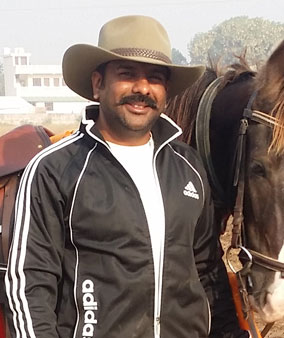
Stay close to nature at Maa Ashapura Farm – a
boutique retreat near Ranthambore National Park.
Enjoy wildlife safaris, Marwari horse experiences, yoga, nature walks, and
private dining.