
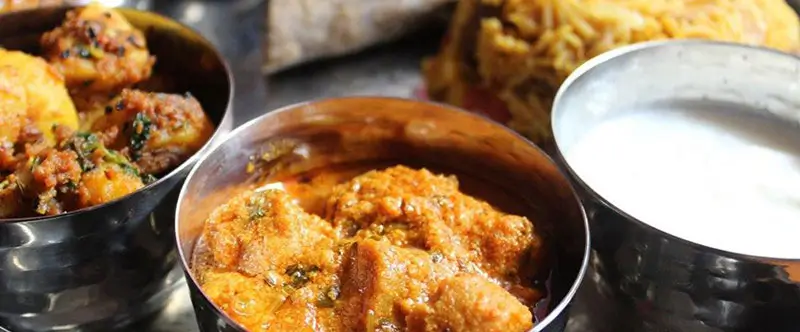
Ranthambore is world-renowned for its majestic tigers and thrilling safaris, but hidden beyond the forest trails lies another treasure—its food. The region offers a culinary journey that reflects the rich traditions of Rajasthan, infused with the earthy simplicity of village life. For travelers, especially food lovers, exploring Ranthambore’s flavors is as rewarding as spotting wildlife.
A trip to Ranthambore is incomplete without indulging in Rajasthani cuisine, savoring farm-fresh meals, and experiencing the warmth of local hospitality around dining tables. This guide takes you on a flavorful journey, showing you what to eat, where to eat, and how food adds a unique cultural layer to your Ranthambore experience.
Ranthambore sits in the Sawai Madhopur district of Rajasthan, which means its cuisine is deeply influenced by Rajasthani culinary traditions. Rajasthan is a desert state, and historically, food was designed to last long and use minimal water. As a result, the dishes here are rich, flavorful, and often spicy, cooked with ghee and dried ingredients.
In Ranthambore, you’ll often find classic Rajasthani delicacies alongside farm-fresh meals cooked by locals. This blend of heritage and simplicity creates a wholesome dining experience.
Dal Baati Churma
Perhaps the most iconic dish of Rajasthan, this trio consists of baked wheat balls (baati), lentil curry (dal), and a sweet crumble made of wheat, sugar, and ghee (churma). It is hearty, filling, and a must-try for anyone visiting Ranthambore.
Laal Maas
A fiery mutton curry cooked with red chilies, Laal Maas is a dish that reflects Rajasthan’s bold flavors. While it may be too spicy for some, toned-down versions are often available at resorts and homestays.
Gatte ki Sabzi
Made with gram flour dumplings cooked in spicy yogurt gravy, this vegetarian dish is a staple in local households. It pairs beautifully with roti or rice.
Ker Sangri
A unique desert vegetable made from dried beans and berries, cooked with spices and oil. This dish is a true taste of Rajasthan’s ingenuity in using scarce resources.
Bajra Roti with Garlic Chutney
Millet-based flatbread served with fiery garlic chutney is simple yet deeply satisfying. It is often eaten in villages and offered to guests as a sign of warmth.
Safed Maas
Unlike the red Laal Maas, Safed Maas is a creamy white curry made with yogurt, cashew paste, and mild spices. It’s ideal for those who want rich flavors without too much heat.
One of the highlights of dining in Ranthambore is the rise of farm-to-table meals. Several boutique farm stays and eco-resorts grow their own vegetables, use organic grains, and prepare meals fresh every day.
For travelers, joining a farm walk before a meal is an enriching experience. You can see how vegetables are grown, pick some ingredients yourself, and later enjoy them cooked into delicious curries. The satisfaction of eating food straight from the soil adds an authentic touch to the journey.
Beyond resorts and hotels, many village households around Ranthambore open their kitchens to tourists. Cooking classes and family meals give visitors a chance to understand the traditional methods—clay stoves, iron pans, and wood-fired flavors.
Couples or families can learn how to make rotis on an open flame, grind spices on stone slabs, and prepare dishes like dal or kachoris. Sitting down to eat with the host family, often on the floor or around a low table, adds intimacy to the experience.
Food in Rajasthan is not just about eating—it is about celebrating. Many resorts and farm stays combine dining with cultural evenings. As you relish a traditional meal, folk singers and puppeteers perform nearby, creating a complete sensory experience.
Sharing such moments under a starlit sky, with the aroma of spices and the beat of drums, is what makes Ranthambore’s food experiences unique.
Spices are the soul of Rajasthani cooking. In Ranthambore, local kitchens use a blend of red chilies, turmeric, coriander, and asafoetida. The fiery heat of chilies is balanced by the cooling effect of yogurt-based gravies. For foreigners, chefs often adjust spice levels without losing authenticity.
Every spice tells a story—of trade routes, desert survival, and centuries of culinary evolution. For food lovers, simply visiting local spice markets in Sawai Madhopur can be an adventure in itself.
Alongside food, Rajasthan offers unique beverages. Masala chai is a constant companion, often served in clay cups. In summers, chaas (buttermilk) cools the body after hot safaris. During winters, kesariya doodh (saffron milk) warms travelers.
For those open to stronger flavors, Rajasthani liquors like mahua and chhach-based cocktails are sometimes served in boutique resorts.
In Ranthambore, food is not just sustenance—it is storytelling. Every dish reflects the challenges of desert life, the creativity of women who turned limited resources into delicacies, and the spirit of hospitality that Rajasthan is known for.
When tourists sit down to eat here, they don’t just taste flavors—they become part of a centuries-old narrative of resilience and joy.
Ranthambore may draw travelers for its safaris, but it leaves them enchanted with its food. From royal dishes like Laal Maas to humble farm-fresh rotis, from street snacks to curated dining at luxury resorts, the flavors here are as diverse as the landscapes.
For couples, families, or solo adventurers, food in Ranthambore becomes a journey within the journey. It connects people to the land, to the culture, and to each other. A tiger sighting may thrill your heart, but it is the warmth of a Rajasthani meal that will linger in your soul.
So when you plan your next trip to Ranthambore, go hungry—not just for wildlife, but also for the culinary treasures waiting to be savored.

Stay close to nature at Maa Ashapura Farm – a
boutique retreat near Ranthambore National Park.
Enjoy wildlife safaris, Marwari horse experiences, yoga, nature walks, and
private dining.