
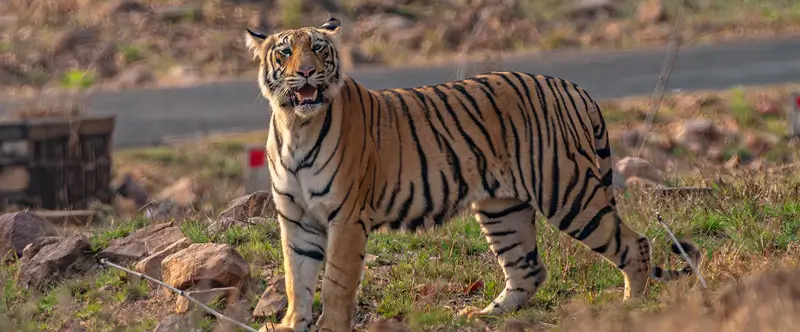
Ranthambore National Park in Rajasthan is one of the most iconic destinations for wildlife photography in India. With its dry deciduous forests, lakes framed by ancient ruins, and a healthy population of tigers, it offers photographers the chance to capture the perfect combination of wilderness and heritage. Unlike many other reserves, Ranthambore provides relatively open landscapes, making animal sightings and photography easier. Whether you are a beginner with a DSLR or a seasoned professional with long lenses, Ranthambore offers incredible opportunities to shoot not only the majestic Royal Bengal Tiger but also leopards, sloth bears, marsh crocodiles, and over 300 bird species. To succeed, however, one needs more than luck — it requires planning, the right gear, patience, and knowledge of animal behavior. This blog is a complete guide to photography in Ranthambore, filled with practical tips for both amateurs and experts.
A successful wildlife photography journey begins with preparation. Ranthambore is best visited between October and June, but the choice of month depends on your focus. Winter months (October–March) are great for balanced photography with soft light, pleasant weather, and chances of bird photography. Summer months (April–June), though very hot, offer the best opportunities for tiger sightings, as animals gather around lakes and waterholes. For photographers, summer provides dramatic frames of tigers cooling off in water or walking through dry grasslands. Once the season is chosen, book safaris at least 60–90 days in advance, as Ranthambore is highly popular and limited gypsy seats sell out quickly. Also, plan for at least 4–6 safaris, since animal sightings depend on luck and conditions, and more attempts increase your chances of capturing memorable frames.
For wildlife photography in Ranthambore, camera equipment plays a vital role. While some tourists manage with smartphones or entry-level cameras, serious photographers need DSLRs or mirrorless cameras with fast autofocus and burst modes. The most recommended lenses are telephoto zooms such as 100–400mm or 200–500mm, as they allow flexibility in framing both close-up portraits of animals and wide-angle shots of landscapes. For birds, a longer reach like 500mm or 600mm primes is ideal, though heavy to carry. Photographers also carry wide-angle lenses (24–70mm) for habitat shots, where the tiger or leopard is framed against the backdrop of Ranthambore Fort or lakes. A second camera body helps switch quickly between lenses without missing action. Don’t forget extra batteries, high-speed memory cards, and protective gear such as lens hoods and dust covers, as Ranthambore’s safaris can be dusty in summer.
The highlight of Ranthambore is undoubtedly the tiger, and capturing this majestic predator requires patience and readiness. Photographers should keep cameras in burst mode (continuous shooting) to capture the sequence of movements — from a tiger emerging from the bushes to drinking at a lake or yawning under a tree. Always maintain eye contact in compositions; a tiger’s piercing gaze creates powerful images. Use a shutter speed of at least 1/1000 sec to freeze movement, especially when the animal is walking or running. Apertures of f/4 to f/6.3 help blur backgrounds while keeping the subject sharp. For leopards, which are more elusive, photographers need to scan rocky cliffs and tree branches, as these cats prefer elevated spots. Capturing them requires quick reactions and steady hands, as leopards rarely stay in the open for long.
Ranthambore is a haven for bird photography, with lakes like Padam Talab and Raj Bagh attracting storks, egrets, and herons. Winter brings migratory species such as demoiselle cranes and bar-headed geese, making the park even more colorful. For bird photography, use telephoto lenses (400–600mm) and fast shutter speeds to freeze flight shots. Early morning safaris are the best for birds, as soft golden light enhances colors and activity levels are high. Positioning is crucial; avoid shooting against harsh light and instead look for side or backlighting to highlight wing feathers. Patience is equally important — sometimes waiting by a lake for hours yields spectacular shots of birds fishing or taking off in synchronized flights.
In photography, light is everything. Morning safaris in Ranthambore provide soft, golden light ideal for portraits and landscapes. Evening safaris create warmer tones and dramatic shadows, perfect for capturing tigers near waterholes or silhouetted against the setting sun. In winter, foggy mornings can create mysterious frames, with animals emerging out of mist. In summer, harsh light during midday safaris may be challenging, but it also highlights the dusty, rugged environment that defines Rajasthan’s wilderness. Photographers must adjust ISO and white balance accordingly, keeping shutter speeds high to avoid motion blur. Rainy or cloudy conditions, though rare during the safari season, can add moody textures to the forest and create reflections in water bodies.
Beyond equipment, what truly makes a wildlife photograph stand out is composition. Avoid zooming too tightly into the animal; instead, use the surroundings to tell a story. For example, frame a tiger walking with Ranthambore Fort in the background, or capture a sambar deer drinking at the lake while a crocodile lurks nearby. Such frames provide context and drama. Use the rule of thirds to place subjects off-center, creating dynamic compositions. Leading lines such as forest tracks or river edges help guide viewers’ eyes into the frame. Symmetry, reflections, and silhouettes also add artistic depth to wildlife images. Remember that Ranthambore’s charm lies not just in its animals but also in its combination of wilderness and history.
Respecting park rules is as important as capturing great photographs. Tourists must remain seated inside jeeps or canters and avoid disturbing animals with sudden movements or loud camera clicks. Flash photography is strictly prohibited, as it can stress animals and spoil natural behavior. Photographers should also respect other tourists in the vehicle, sharing space without blocking views. Professional photographers often book full gypsies for dedicated shoots, but even in shared vehicles, courtesy enhances everyone’s experience. Wildlife photography is not about chasing animals but observing them patiently and ethically.
Post-processing is the final step in making photographs shine. Use software like Adobe Lightroom or Capture One to adjust exposure, contrast, and colors while maintaining natural tones. Cropping can improve compositions, but avoid over-editing that makes the image look artificial. Ranthambore’s landscapes naturally have earthy browns, greens, and golden hues; enhancing these subtly can create powerful frames. Black-and-white conversions also work well for portraits of tigers or leopards, emphasizing their expressions without distraction. Always aim for authenticity — wildlife photography is about storytelling, not manipulation.
Compared to other parks in India, Ranthambore offers a rare blend of easy accessibility, high tiger density, and dramatic backdrops. Few reserves can provide a setting where a tiger walks past a centuries-old fort or where a peacock dances on palace ruins. The open terrain ensures better visibility than dense forests like Kanha or Bandhavgarh. For foreign tourists, its proximity to Jaipur and Delhi makes it part of the popular Golden Triangle circuit, making it convenient to combine cultural exploration with photography. This mix of history, accessibility, and wildlife makes Ranthambore an unmatched destination for photographers.
Q1: What camera is best for wildlife photography in Ranthambore?
DSLRs or mirrorless cameras with fast autofocus and telephoto lenses (100–400mm or longer).
Q2: Which lens is ideal for tiger photography?
A 200–500mm zoom lens balances reach and flexibility.
Q3: Can beginners capture good photos on safari?
Yes, with patience, even entry-level DSLRs or smartphones can capture memorable shots.
Q4: What time of year is best for photography?
April–June for tiger sightings, October–March for birds and balanced light.
Q5: Is flash photography allowed in Ranthambore?
No, it is strictly prohibited.
Q6: How many safaris should I book for photography?
At least 4–6 safaris for higher chances of sightings and varied lighting conditions.
Q7: Are tripods allowed during safaris?
No, but beanbags are recommended for lens stability on jeep rails.
Q8: Can professional photographers book private vehicles?
Yes, full gypsy bookings are available for dedicated photography tours.
Q9: Is summer too hot for photography?
It is hot, but summer offers the best chance of tiger sightings near waterholes.
Q10: Can I capture landscapes as well as wildlife?
Yes, wide-angle lenses are perfect for capturing Ranthambore’s fort, lakes, and scenery.
Stay close to nature at Maa Ashapura Farm – a
boutique retreat near Ranthambore National Park.
Enjoy wildlife safaris, Marwari horse experiences, yoga, nature walks, and
private dining.