
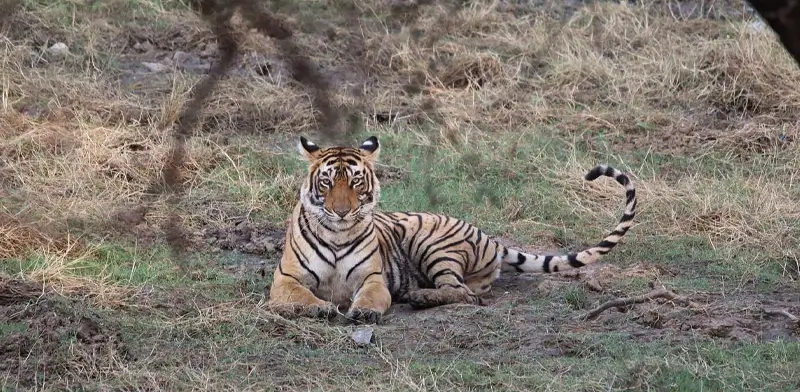
Ranthambore National Park is more than a wildlife destination it’s a living canvas for photographers. From the piercing eyes of a Bengal tiger to the soft golden light filtering through ancient banyan trees, every frame here tells a story. But photographing the wild isn’t just about pointing and shooting. It’s about anticipation, patience and understanding the jungle.
At Maa Ashapura Boutique Farm, we’ve hosted many nature photographers—from professionals with giant lenses to passionate first-timers carrying their first DSLR. Over time, we’ve picked up invaluable tips from them. Here’s a guide that brings together the wisdom of the experts and the beauty of Ranthambore.
Before you even raise your camera, take the time to learn about the animals you’re hoping to photograph especially the tiger. Understand its behavior, movement patterns, and the sounds it responds to. Knowing when a deer’s alarm call might lead to a tiger sighting or when a bird might take flight adds depth to your anticipation. It’s not just about the big cats. Ranthambore is home to leopards, sloth bears, crocodiles, sambars, peacocks, and hundreds of bird species. The more you know, the more you’ll be able to frame meaningful shots—not just lucky ones.
You don’t need the most expensive camera, but the right gear matters.
That said, travel light. You’ll be moving in open vehicles over bumpy terrain. Comfort and mobility are just as important as optics.
Morning and evening safaris each offer a unique light and mood.
Mornings: Cooler, misty, and active. Great for dramatic lighting and early animal activity.
Evenings: Warmer tones, strong contrast, and stunning silhouettes.
Experts recommend shooting in manual or aperture priority mode, adjusting ISO and shutter speed based on light changes, especially in forested areas.
The golden rule? Always keep your camera ready. In Ranthambore, the difference between an empty road and a tiger crossing it can be five seconds.
Wildlife photography is less about fast action and more about waiting for the right moment. The best photographers don’t just react—they observe. Whether you’re tracking pugmarks or sitting still for 20 minutes near a watering hole, patience often pays off with the most powerful shots. Use the time to compose your frame, check settings, and read the jungle. A subtle movement in the bushes or a sudden silence among the birds can signal something big.
Professional photographers understand this deeply: the jungle comes first. Never pressure your driver or guide to chase an animal or break the park's rules for a better shot. Loud voices, flash photography, or standing in the vehicle all disrupt the experience for the animals and other guests. The most impactful wildlife photos come from a place of respect and stillness, not aggression or interruption. Let the scene unfold naturally.
Yes, the tiger is the star. But Ranthambore offers so much more. Some of the most visually stunning shots we’ve seen are:
The vastness of Ranthambore Fort as a leopard moves across its ruins
Look for textures, light and layers. Think of storytelling—what’s around the animal? What does the habitat say?
Once you're back from the park, spend time reviewing your work. What worked? What didn’t? Wildlife photography is about constantly learning from every frame.
Many photographers staying with us at Maa Ashapura Boutique Farm enjoy sitting in the garden after a safari, reviewing photos with fellow guests, sharing tips and even editing together. It’s a quiet, collaborative way to grow and relive the experience.
Staying near the park gate, like at Maa Ashapura Boutique Farm, gives photographers a big advantage. You get more sleep before early morning safaris, arrive at the zone gate without rushing, and have time to reset your gear between drives. Plus, you’ll be surrounded by nature even off the safari, which often leads to great birding or candid wildlife shots right on the property.
Wildlife photography in Ranthambore is more than a technical challenge—it’s an emotional journey. Each drive into the jungle is unpredictable. You might return with dozens of tiger photos, or none at all. But you’ll always return with something: a better eye, a deeper connection to nature, or a story no one else captured. So come with your camera. But more importantly, come with an open mind, quiet curiosity, and deep respect for the wild. And if you’re staying at Maa Ashapura Boutique Farm, we’ll make sure your photography journey is as rewarding as the safari itself. From planning your drives to sharing tips by the bonfire we’re here to help you capture the jungle, one unforgettable frame at a time.
Stay close to nature at Maa Ashapura Farm – a
boutique retreat near Ranthambore National Park.
Enjoy wildlife safaris, Marwari horse experiences, yoga, nature walks, and
private dining.