
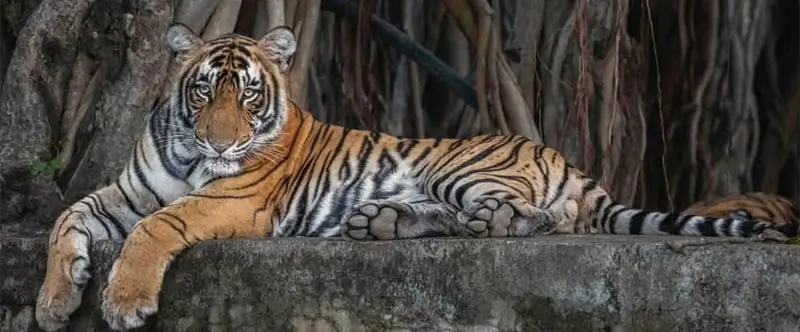
Wildlife photography is no longer limited to seasoned professionals carrying high-end equipment and advanced technical skills. In recent years, more travelers have begun planning wildlife photography weekends as part of their leisure experiences. Social media exposure, accessible camera technology, and increased awareness of India’s biodiversity have contributed to this shift.
What makes wildlife photography appealing is not merely the desire to capture a perfect image, but the opportunity to immerse oneself in natural surroundings. A wildlife photography getaway near a national park offers both adventure and mindfulness. Even beginners can experience the thrill of spotting animals in their habitat and documenting those encounters.
Planning such a weekend does not require formal training. With basic preparation and realistic expectations, enthusiasts can create meaningful photographic experiences that extend beyond technical perfection.
Selecting the right destination significantly influences the success of a photography weekend. Areas surrounding protected reserves often provide ideal conditions. A wildlife photography trip in Rajasthan, for instance, offers diverse landscapes—dry forests, grasslands, water bodies, and open terrain that enhance visual variety.
Destinations near established reserves typically offer regulated safari access and knowledgeable guides. These guides understand animal movement patterns and optimal viewing times, increasing opportunities for compelling shots.
When choosing a location, consider biodiversity richness. Regions known for tiger sightings, deer populations, bird species, and other wildlife increase the range of photographic subjects.
Accessibility also matters. A weekend trip should minimize excessive travel fatigue, allowing more time for actual photography.
Plan smarter with expert tips on timing, lighting, and equipment — because the best wildlife photos come from preparation, patience, and respect for nature.
Chat On WhatsApp Contact UsWildlife photography relies heavily on natural light. Early mornings and late afternoons provide the most favorable conditions. During these periods, sunlight is softer, creating balanced contrast and warm tones.
Planning a morning safari photography session increases the chance of spotting active wildlife. Many animals are more mobile during cooler hours, improving photographic opportunities.
Understanding seasonal variations also enhances planning. While wildlife can be photographed year-round, certain seasons may offer clearer visibility due to vegetation density.
Patience remains essential. Wildlife behavior cannot be scripted. Waiting quietly often yields the most rewarding results.
A professional camera setup enhances flexibility, but beginners need not feel intimidated. Modern DSLR and mirrorless cameras with telephoto lenses allow effective wildlife photography. Even advanced smartphone cameras can capture compelling images when used thoughtfully.
For a wildlife photography weekend, a telephoto lens between 200mm and 400mm offers useful range. Tripods may not always be practical during safari drives, so stability techniques become important.
Carrying minimal but functional equipment reduces physical strain and allows greater focus on observation.
Spare batteries and memory cards are crucial. Wildlife moments can unfold unexpectedly, and preparation ensures readiness.
Technical perfection is less important than understanding fundamentals. Focusing on composition, lighting, and subject framing improves image quality significantly.
Keeping the subject’s eyes sharp enhances emotional impact. Maintaining steady posture during vehicle movement reduces blur.
Beginners should experiment with burst mode during dynamic movement. Animals may shift positions rapidly, and capturing multiple frames increases the likelihood of a strong shot.
A wildlife photography retreat provides opportunity to learn through observation. Guides often share insights about animal behavior, helping photographers anticipate movement.
Responsible photography is essential. Maintaining safe distances protects both animals and visitors. Ethical wildlife photography avoids disturbing natural behavior.
Using flash is discouraged, as it can startle animals. Silence and minimal movement increase chances of capturing authentic moments.
A responsible wildlife photography trip respects conservation guidelines established within protected reserves.
Photography should celebrate wildlife rather than disrupt it.
Choosing accommodation near wildlife zones enhances convenience. A boutique stay near a national park allows early departures for morning safaris and restful evenings for reviewing images.
Quiet environments also provide opportunities for bird photography and landscape shots within property surroundings.
Staying close to natural habitats maximizes photographic time and minimizes commuting stress.
With the right preparation and patience, wildlife photography becomes more than a hobby — it becomes a lifelong passion filled with unforgettable experiences.
Chat On WhatsApp Contact UsA wildlife photography weekend should balance activity with relaxation. Spending extended hours scanning forests can be physically demanding.
Luxury nature stays often provide restful environments, allowing photographers to recharge between sessions.
This combination enhances overall experience. Photography becomes part of a broader immersion in natural surroundings.
Post-trip editing allows photographers to refine their work. Adjusting exposure, cropping thoughtfully, and enhancing clarity can elevate images significantly.
More importantly, reviewing photographs encourages reflection. Each image carries memory of environment, emotion, and anticipation.
The value of a wildlife photography weekend extends beyond final pictures. It lies in the immersive journey.
Unlike casual snapshots, wildlife photographs often represent patience and anticipation. The effort involved in capturing an image deepens emotional connection.
Years later, revisiting a photograph of a tiger sighting or a bird mid-flight rekindles vivid memories.
Wildlife photography transforms travel into storytelling.
No, beginners can use entry-level cameras effectively.
Early morning and late afternoon offer optimal light.
Yes, when following guided safari protocols.
Yes, patience and timing matter more than expertise.
Yes, they combine learning and adventure.
No, flash can disturb animals.
Yes, it maximizes photography opportunities.
Basic editing enhances image quality.
Two to three days provide meaningful exposure.
Yes, when ethical guidelines are followed.
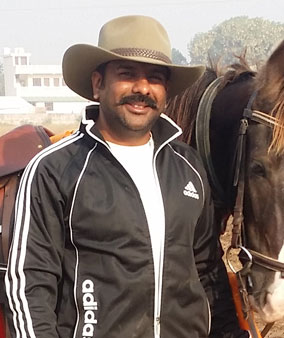
Stay close to nature at Maa Ashapura Farm – a
boutique retreat near Ranthambore National Park.
Enjoy wildlife safaris, Marwari horse experiences, yoga, nature walks, and
private dining.