
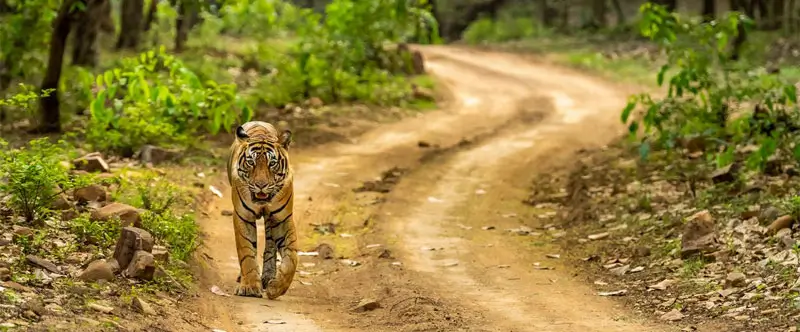
Wildlife photography in Ranthambore is not about speed or spectacle. It is about awareness, patience, light, and stillness. The forest does not perform on demand, and photography here rewards those who adapt to its rhythm rather than attempt to control it. A successful Ranthambore wildlife photography tour depends as much on planning and environment as it does on camera equipment.
Photographers visiting Ranthambore often focus heavily on safari permits and gear preparation, while underestimating the importance of accommodation choice. The right stay near Ranthambore National Park directly influences energy levels, concentration, and recovery between safaris. Photography demands alertness, and alertness requires rest.
Choosing a quiet and supportive stay is essential. Wildlife photographers begin their days before sunrise and return late. Crowded resorts with noise and activity disrupt focus. Quiet farm stays near Ranthambore provide environments where photographers can rest deeply and prepare mentally.
Safari timing plays a critical role in photography. Morning safaris offer soft light, while evening safaris provide dramatic contrasts. Understanding light conditions and planning accordingly enhances results. Staying close to safari gates ensures timely access without stress. Resorts near Ranthambore safari gates help photographers maximize shooting time.
Jeep safaris are preferred for photography due to flexibility and limited seating. They allow better positioning and communication with guides. Photographers benefit from guides who understand animal behavior and positioning rather than rushing sightings.
Preparation begins the night before. Reviewing previous sightings, cleaning equipment, and charging batteries require calm environments. Photography-friendly stays in Ranthambore support these routines without interruption.
Lens selection depends on personal style. Telephoto lenses are commonly used, but landscapes and contextual shots add depth. Photographers who allow space for experimentation often capture more meaningful images.
Silence inside the safari vehicle matters. Loud conversations distract both wildlife and photographers. A calm mindset improves observation. Staying at silent resorts near Ranthambore reinforces this discipline beyond the forest.
Weather awareness influences outcomes. Early mornings can be cool, afternoons warm. Protecting equipment from dust and temperature changes ensures reliability. Comfortable clothing supports long hours of observation.
Between safaris, rest is non-negotiable. Reviewing images, hydrating, and relaxing prepare photographers for the next drive. Farm stays naturally encourage this rhythm by offering open spaces and minimal disturbance.
Patience is the most valuable tool. Ranthambore rewards those who wait. Photographers who chase sightings often miss subtle moments. Stillness allows anticipation rather than reaction.
Understanding animal behavior enhances photography. Observing movement patterns, body language, and interactions provides context. Guides familiar with the forest contribute significantly to this understanding.
Composition matters as much as subject. Including habitat elements creates storytelling images. Photographers who resist cropping excessively preserve authenticity.
Ethical photography practices are essential. Maintaining distance, respecting park rules, and avoiding pressure on animals protect both wildlife and the integrity of images. Responsible wildlife photography in Ranthambore prioritizes respect over results.
The role of accommodation extends beyond sleep. Hosts familiar with photography routines assist with early departures, flexible meals, and local insights. This support reduces mental load.
Evenings are ideal for reflection. Reviewing images quietly allows photographers to learn from each safari. Loud environments disrupt this process. Peaceful stays near Ranthambore National Park preserve creative focus.
Village life and nature walks also offer photographic opportunities. Birds, landscapes, and daily life add diversity. Photographers who explore beyond safaris build richer portfolios.
Photography tours benefit from balanced itineraries. Overloading safaris leads to fatigue. Combining shooting with rest improves consistency.
Lighting conditions change quickly in the forest. Being mentally present allows photographers to adapt. Calm environments support this presence.
Equipment care is easier in uncluttered spaces. Dust management and storage matter. Farm stays often provide open areas for maintenance.
Photographers traveling in groups benefit from shared discipline. Choosing stays that attract like-minded guests creates harmonious environments.
Digital management is another consideration. Backups, file organization, and review require time. Reliable power and quiet spaces support workflow.
Emotional resilience is part of wildlife photography. Not every safari yields results. Accepting unpredictability reduces frustration. Quiet surroundings help process these moments.
The best images often come from observation rather than pursuit. Photographers who align with the forest rhythm capture authenticity.
Ranthambore offers opportunities for growth as much as results. Each safari teaches patience, humility, and awareness.
Choosing the right Ranthambore wildlife photography stay enhances every aspect of the tour. It supports rest, focus, ethics, and creativity.
Photography here is not about volume. It is about moments. Those moments emerge when the environment supports stillness.
Frequently Asked Questions
Is Ranthambore suitable for wildlife photography beginners?
Yes, patience and observation matter more than experience.
Which safari is better for photography, morning or evening?
Both offer unique lighting conditions and opportunities.
Why is staying near safari gates important for photographers?
It reduces stress and maximizes shooting time.
Are farm stays suitable for photography tours?
Yes, they provide calm environments ideal for preparation and rest.
Do photographers need special safari vehicles?
Jeep safaris offer better flexibility for photography.
Is silence important during safaris?
Yes, silence improves observation and ethical practice.
Can village life be photographed responsibly?
Yes, with respect and permission.
How many safaris are ideal for photography?
Quality matters more than quantity; balanced planning is key.
Do accommodations help with photography routines?
Experienced hosts support early schedules and flexible meals.
What mindset benefits wildlife photography most?
Patience, humility, and respect for nature.
Stay close to nature at Maa Ashapura Farm – a
boutique retreat near Ranthambore National Park.
Enjoy wildlife safaris, Marwari horse experiences, yoga, nature walks, and
private dining.