
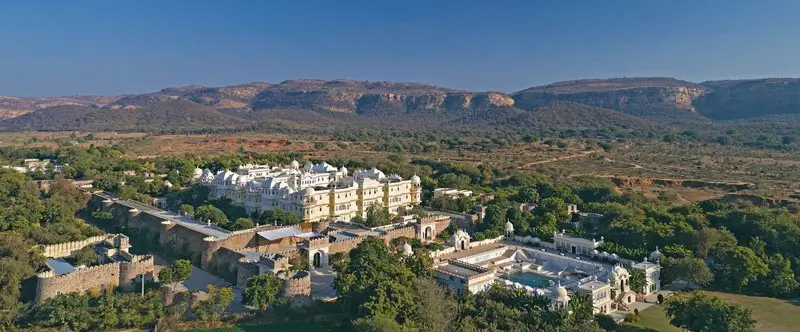
Photography in Ranthambore is often imagined through a single frame: a tiger stepping out of tall grass, perfectly lit, perfectly timed. While such moments are powerful, photographers who return to the region again and again rarely chase only this image. Over time, their priorities shift. What begins as a hunt for sightings evolves into a search for atmosphere, light, and emotional depth. This is where farm stays quietly outperform safari resorts.
Farm stays near Ranthambore offer photographers something far more valuable than proximity to gates. They offer time, silence, and access to moments that are not staged or hurried. The camera stops being a tool for capture and becomes a medium for observation. This change transforms not only the images produced, but also the photographer’s relationship with the place.
Safari resorts operate on strict timelines. Wake-up calls, fixed departures, and tight returns dominate the day. Light is experienced in fragments—golden hour rushed, midday avoided, evening compressed.
Farm stays allow photographers to live inside the light rather than chase it. Sunrise unfolds slowly without alarms. Soft morning light lingers over fields and trees. Shadows move gradually, offering endless variation.
Photographers value this continuity. It allows patience. Frames are discovered rather than forced. Light becomes a collaborator, not a deadline.
Stay surrounded by peaceful landscapes, rustic village charm, open farm views, and authentic countryside experiences that photographers truly love. Discover inspiring moments and picture-perfect settings near Ranthambore at Maa Ashapura Farm.
Chat On WhatsApp Contact UsSound influences perception. Constant noise keeps the mind alert and reactive. Silence, on the other hand, heightens awareness.
Farm environments near Ranthambore are naturally quieter than safari hubs. Without engines, crowds, or announcements, photographers begin to notice subtler movements—leaves shifting, birds adjusting perches, distant animal calls.
This silence trains attention. The camera responds to nuance rather than spectacle. Images gain emotional texture because they are born from observation, not anticipation.
Safari resorts often produce similar images. Same roads. Same angles. Same moments repeated across seasons.
Farm stays introduce unpredictability. A farmer crossing a field at dawn. A horse moving through mist. A child watching the horizon. These subjects are not planned, which is exactly why they matter.
Photographers drawn to storytelling photography in Rajasthan often prefer these unscripted moments. They feel honest. They resist replication.
Crowded safari zones rarely allow stillness. Vehicles cluster. Guides whisper instructions. The moment feels shared rather than personal.
Farm stays offer space—physical and mental. Photographers can sit with a scene, return to it later, observe how it changes.
This freedom encourages thoughtful composition. Frames evolve. The photographer engages with the environment rather than reacting to it.
The landscapes around farm stays carry emotional neutrality. They are not dramatic by default. This neutrality allows mood to emerge naturally.
Light, weather, and human presence shape emotion rather than overpower it. Photographers often find these settings more versatile.
Images feel contemplative rather than impressive. This subtlety appeals to photographers seeking depth over drama.
In safari-centric settings, human presence often feels secondary. Near farms, it is integral.
Village life, agricultural routines, and daily interactions offer rich narrative layers. These stories are not performed for the camera. They continue regardless of observation.
Photographers gain access to authenticity rather than access points. This distinction matters deeply for those committed to documentary-style travel photography.
Farm stays naturally encourage longer stays. Without rigid schedules, photographers linger.
Over time, patterns reveal themselves. Light repeats. Routines emerge. Familiarity deepens.
This duration allows photographers to build visual narratives rather than isolated shots. Stories gain continuity and context.
Safari resorts are often brightly lit for security and convenience. Farm environments, by contrast, allow darkness to exist fully.
Night skies open up. Stars appear clearly. Low light conditions invite experimentation.
Photographers interested in night and landscape photography near Ranthambore often find farm stays uniquely rewarding. Darkness becomes an asset rather than a limitation.
Rushed photography feels extractive. Calm photography feels collaborative.
Farm stays remove urgency. There is no pressure to “get the shot.” Photographers often find themselves shooting less but seeing more.
This emotional ease translates into images that feel intentional rather than opportunistic.
Wildlife around farm environments behaves differently. Animals move without disturbance. Birds linger longer. Moments unfold quietly.
Photographers observe behavior rather than reactions. This perspective creates more respectful imagery.
Such encounters align closely with ethical wildlife photography values, making farm stays appealing to conscious photographers.
In safari schedules, weather is often an obstacle. In slower environments, it becomes an ally.
Rain changes texture. Wind alters composition. Heat softens color.
Photographers staying in farms learn to work with conditions rather than against them. This adaptability strengthens creative confidence.
Why Creative Burnout Eases in Farm Settings
Photography burnout often stems from repetition and pressure. Farm stays disrupt both.
Without expectation, creativity resurfaces. Curiosity replaces performance. The camera feels lighter.
Many photographers describe farm stays near Ranthambore as creatively restorative rather than merely productive.
Extended time in quiet environments often shifts photographic style. Images become slower, more observational, less dramatic.
This evolution reflects internal change. The photographer begins responding to place rather than projecting onto it.
Such growth is difficult to achieve in rushed, outcome-driven settings.
From golden sunrises and peaceful farm landscapes to authentic village life and natural surroundings, enjoy a refreshing stay designed for travelers who love photography, nature, and slow experiences near Ranthambore.
Chat On WhatsApp Contact UsPhotographers return not for access, but for atmosphere. They know the images will come naturally.
Farm stays offer reliability without predictability. Each visit feels familiar yet fresh.
This balance is rare and deeply valued.
Ultimately, farm stays encourage photographers to be present first and create second.
The act of photography becomes an extension of awareness rather than a pursuit of proof.
This philosophy reshapes not only images, but the experience of travel itself.
When photographers step away from safari-centric stays, Ranthambore expands.
It becomes landscape, culture, rhythm, and silence—not just wildlife.
This wider lens reveals the region’s true complexity.
Because they are created through presence rather than urgency.
No, safaris remain accessible while overall experience improves.
Yes, it emphasizes non-intrusive observation.
No, they often feel more connected to place and people.
Yes, minimal light pollution supports night and sky photography.
Yes, longer stays allow narrative development.
Yes, open land and low light pollution enhance landscapes.
Yes, slower environments help beginners develop observation skills.
They shift focus from sightings to behavior and atmosphere.
They offer silence, space, light continuity, and unhurried observation.
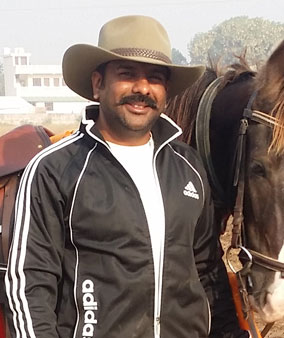
Stay close to nature at Maa Ashapura Farm – a
boutique retreat near Ranthambore National Park.
Enjoy wildlife safaris, Marwari horse experiences, yoga, nature walks, and
private dining.