
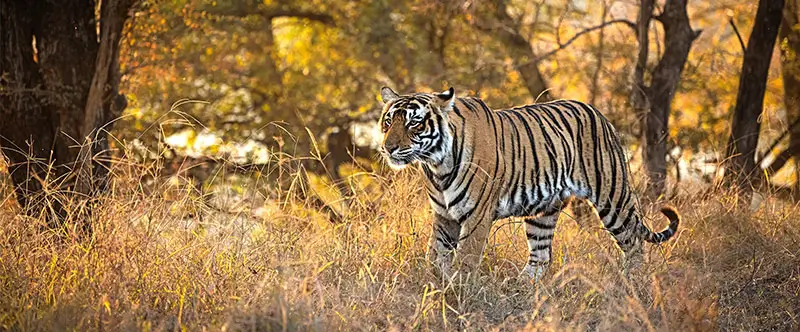
Planning a wildlife-focused journey to Ranthambore National Park is very different from planning a casual holiday. Ranthambore is not a destination that rewards rushed itineraries or last-minute decisions. It is a landscape governed by nature, seasons, animal behavior, and strict conservation rules. For wildlife lovers, this is exactly what makes the experience meaningful.
Ranthambore attracts travelers for one primary reason: the opportunity to observe tigers in a natural environment. But a truly fulfilling Ranthambore trip goes far beyond tiger sightings alone. It is about understanding terrain, reading animal movement, respecting silence, and allowing nature to reveal itself on its own terms.
This detailed planning guide is designed specifically for wildlife lovers—people who value observation over entertainment, patience over guarantees, and authenticity over convenience.
Ranthambore is not a zoo-like safari park. It is a protected ecosystem where wildlife lives freely, without human schedules. Tigers here are territorial and independent. They do not perform on cue. This reality must be accepted before planning begins.
The park’s landscape is a mix of dry deciduous forest, open grasslands, rocky outcrops, lakes, and ancient ruins. This diversity supports a wide range of species, including leopards, sloth bears, sambar deer, nilgai, crocodiles, and hundreds of bird species. Wildlife lovers who approach Ranthambore with curiosity rather than expectation often find the experience deeply rewarding.
Season plays a major role in trip planning. Wildlife visibility, comfort, photography conditions, and crowd levels change throughout the year.
Cooler months offer pleasant weather and balanced experiences, while warmer months increase animal visibility due to reduced water sources. Wildlife lovers must decide whether comfort or observation priority comes first. There is no universally perfect season—only what aligns best with personal goals.
Understanding seasonal patterns helps set realistic expectations and prevents disappointment.
One of the most common mistakes wildlife travelers make is planning too few safaris. Ranthambore is not a one-drive destination. Animal movement varies daily, and sightings depend on timing, zone allocation, and chance.
For wildlife lovers, multiple safaris increase familiarity with the terrain. Repeated drives sharpen observation skills. Subtle signs—alarm calls, pugmarks, movement patterns—become easier to recognize over time.
Planning at least two to three safaris allows the experience to unfold gradually rather than feeling rushed or incomplete.
Ranthambore is divided into several safari zones, each with unique characteristics. Some zones have more lakes, others more open terrain or rocky forest. Tigers move between zones based on prey availability and territorial shifts.
Zone allocation is usually random and cannot be controlled. Wildlife lovers should understand that no zone is permanently “better” than another. Historical sighting trends change constantly.
Instead of focusing on zone numbers, serious travelers focus on reading the forest itself. This mindset transforms the safari from a checklist activity into a learning experience.
Vehicle choice affects the quality of experience. A jeep safari offers fewer passengers, quieter movement, and more flexibility in positioning. Wildlife photographers and serious observers often prefer this option.
Canter safaris, while larger, still provide access to the same forest routes. They suit families and groups but may feel crowded for those seeking deep immersion.
Wildlife lovers who value silence, patience, and visual clarity generally lean toward jeep safaris when possible.
Both safari slots offer different advantages. Morning safaris bring cooler temperatures and fresh forest activity. Afternoon safaris reveal animal behavior near water sources and dramatic light conditions.
Wildlife lovers often plan one of each to experience different moods of the forest. Observing how the landscape changes across the day adds depth to understanding animal routines.
Ranthambore requires early mornings and mental presence. Arriving tired or stressed reduces enjoyment. Travelers should reach Sawai Madhopur at least one day before the first safari.
This buffer allows time to rest, adjust, and mentally prepare. Wildlife observation demands patience and attentiveness, both of which are difficult without proper rest.
Packing for Ranthambore is about practicality, not excess. Neutral-colored clothing helps blend with the environment. Comfortable footwear is essential for early starts and long hours of sitting.
Binoculars significantly enhance the experience, allowing observation of distant movement and birdlife. Cameras should be handled responsibly, avoiding excessive noise or sudden movements.
Wildlife lovers understand that preparation improves perception.
Ranthambore offers excellent opportunities for wildlife photography, but success depends on understanding light, distance, and patience. Long lenses help capture animals without disturbing them. Morning light is soft, while afternoon light adds contrast.
Photographers should prioritize ethical practices—no shouting, no pressure on drivers, no obstruction of wildlife paths. Respecting the forest always comes before capturing the image.
Wildlife travel is as much mental as physical. Many first-time visitors arrive with fixed expectations shaped by social media. This mindset often leads to disappointment.
Experienced wildlife lovers approach Ranthambore with openness. They value bird calls, deer movement, forest silence, and changing light as much as tiger sightings. This perspective transforms every safari into a meaningful experience, regardless of outcome.
Ranthambore is popular, and multiple vehicles may converge when a tiger is sighted. Wildlife lovers should remain patient and respectful in such situations.
Silence, limited movement, and calm observation benefit everyone. Ethical behavior protects wildlife and preserves the quality of the experience for all visitors.
While tigers are the highlight, Ranthambore’s richness lies in its entire ecosystem. Sloth bears crossing tracks, crocodiles basking near lakes, and birds calling at dawn add layers of experience.
Wildlife lovers who observe these details often feel more connected to the landscape than those focused solely on one species.
The presence of Ranthambore Fort within the park adds historical depth. Ancient structures coexist with wildlife, reminding visitors that nature often reclaims human history.
This coexistence enriches the safari experience, offering perspective beyond wildlife alone.
Ranthambore rewards slow travel. Sitting quietly, observing small movements, and listening to forest understandings reveals patterns over time.
Wildlife lovers who allow themselves to slow down often report deeper satisfaction, even when sightings are minimal.
Overpacking itineraries, underestimating heat or cold, expecting guaranteed sightings, and skipping rest days are frequent errors.
A well-planned trip balances safaris with downtime, allowing the mind to absorb and reflect.
Ranthambore offers visibility, accessibility, and history in one landscape. It does not manufacture experiences. What visitors see is real, unfiltered wildlife behavior.
For serious wildlife lovers, this authenticity is invaluable.
Thoughtful planning removes stress and distraction. When logistics are handled smoothly, attention shifts fully to the forest.
This shift is what separates a sightseeing trip from a true wildlife journey.
Frequently Asked Questions
How many days are ideal for a Ranthambore trip
Two to three days with multiple safaris offer a balanced experience.
Is Ranthambore suitable for first-time wildlife travelers
Yes, it is one of India’s most beginner-friendly tiger reserves.
Are tiger sightings guaranteed
No, sightings depend on natural wildlife behavior.
Is Ranthambore good for wildlife photography
Yes, visibility and terrain are favorable for photography.
Should wildlife lovers choose jeep safaris
Jeep safaris offer quieter and more focused observation.
Is Ranthambore only about tigers
No, it offers a diverse and rich ecosystem.
Do safari zones matter a lot
Zones influence terrain, but sightings vary naturally.
Is early arrival important
Yes, arriving rested improves the safari experience.
Are children allowed on safaris
Yes, following park rules and guidelines.
What is the biggest takeaway for wildlife lovers
Patience, observation, and respect for nature.
Stay close to nature at Maa Ashapura Farm – a
boutique retreat near Ranthambore National Park.
Enjoy wildlife safaris, Marwari horse experiences, yoga, nature walks, and
private dining.