
For most visitors, Ranthambore is synonymous with thrilling tiger safaris. But the real charm of Ranthambore begins once the sun sets and the forest slowly slips into silence. A night stay in Ranthambore is not just about a hotel room — it’s about immersing yourself in Rajasthan’s rich culture, tasting traditional food, experiencing folk music under the stars, and discovering hidden stories of Sawai Madhopur. Whether you’re staying in a luxury resort or a boutique farm, Ranthambore offers a range of local experiences that turn a simple wildlife trip into a cultural journey. This blog takes you through the best ways to spend your nights in Ranthambore — from choosing accommodations to enjoying Rajasthani traditions, food, and offbeat activities.
Accommodation in Ranthambore has evolved from basic lodges to world-class resorts, offering choices for every kind of traveler. Luxury resorts near the park gates offer private villas, swimming pools, spas, and curated wildlife experiences. These are ideal for foreign tourists, honeymoon couples, or families seeking comfort and exclusivity. Boutique hotels and heritage stays provide a more intimate experience, often themed around Rajasthan’s royal traditions. For adventure seekers, jungle camps and tented stays add a rustic charm, letting guests sleep closer to nature while still enjoying modern amenities. Budget-friendly lodges and guesthouses in Sawai Madhopur town are popular among backpackers and domestic travelers. Many of these properties also organize safaris, cultural shows, and excursions, making the stay part of the Ranthambore experience.
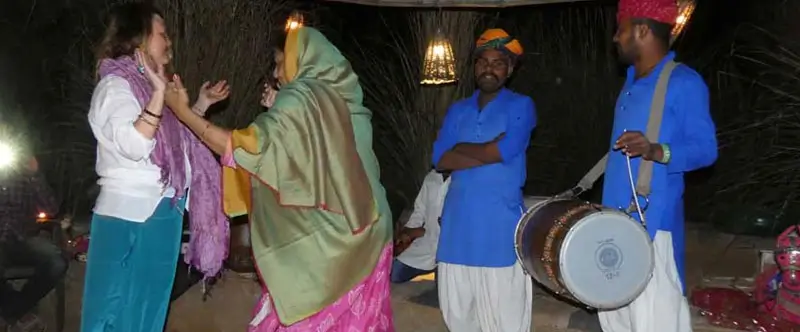
As night falls, many resorts and cultural centers host folk performances that showcase the soul of Rajasthan. The energetic beats of dholak and nagara, combined with the swirling moves of Kalbeliya dancers, create an unforgettable evening. Puppet shows, or Kathputli performances, tell tales of valor, romance, and folklore, keeping alive a centuries-old art form. Guests often sit around bonfires under starry skies, sipping traditional masala chai while watching artists perform. These experiences not only entertain but also connect travelers to Rajasthan’s vibrant traditions. For foreign tourists, it’s a chance to interact with local communities, click photographs in traditional settings, and understand the spirit of desert culture.
No night stay in Ranthambore is complete without indulging in Rajasthani cuisine. Resorts and homestays often serve signature dishes such as dal baati churma, gatte ki sabzi, laal maas (spicy mutton curry), ker sangri ki sabzi, and bajra rotis with white butter. Many properties now offer farm-to-table experiences, where meals are prepared with fresh local ingredients, giving guests a taste of authenticity. For a truly memorable evening, some luxury stays arrange outdoor dinners under lanterns and candlelight, often with live folk music in the background. Imagine sitting by a bonfire, savoring laal maas with bajra roti, while the distant calls of jackals echo through the forest — it’s an experience unique to Ranthambore.
While safaris are restricted to daytime, some resorts and camps organize guided night walks in buffer zones or around their private land. These short walks introduce guests to nocturnal wildlife like owls, civet cats, and jackals. Away from city pollution, the night sky in Ranthambore is dazzling, making stargazing a mesmerizing experience. Some camps set up telescopes for guests to view constellations, planets, and even shooting stars. For couples and families, this creates magical moments that remain etched in memory long after the trip.
Many tourists staying overnight in Ranthambore opt for village visits organized by eco-tourism groups or resorts. These visits provide insights into rural Rajasthan — mud houses decorated with traditional artwork, women creating hand-block prints, and farmers tending to their fields. Tourists often get to interact with artisans, try pottery, or learn simple cooking techniques from locals. Such experiences allow travelers to look beyond safaris and understand the human culture that thrives around the tiger reserve.
Night stays also give time to explore the small markets of Sawai Madhopur, which come alive in the evenings. Shops sell handicrafts, wildlife-themed souvenirs, wooden toys, local jewelry, and miniature paintings. A popular purchase is Rajasthani block-printed fabrics, known for their vibrant patterns. Wildlife enthusiasts also pick up coffee-table books, postcards, and paintings featuring Ranthambore’s legendary tigers like Machli and Arrowhead. For those who enjoy authentic shopping, bargaining with local vendors adds a fun element to the experience.
Apart from cultural programs and shopping, Ranthambore offers some unique offbeat experiences for night stay guests. Some resorts arrange storytelling sessions where naturalists share tales of Ranthambore’s famous tigers and conservation efforts. Bonfires become gathering spots for travelers to exchange safari experiences. Adventure lovers can try night safaris in buffer zones (where permitted), spotting jackals, porcupines, or hyenas. Photographers enjoy experimenting with night sky photography, capturing silhouettes of trees and forts under moonlight. These little adventures add layers of excitement to a simple stay.
For spiritually inclined travelers, night stays often include evening visits to local temples. The Trinetra Ganesh Temple inside Ranthambore Fort attracts devotees every evening, with prayers and offerings creating a deeply cultural experience. Smaller temples and shrines in Sawai Madhopur also provide peaceful retreats, where chants and bells mix with the forest’s silence. This balance of spirituality and wilderness makes Ranthambore unique among India’s national parks.
A day trip to Ranthambore may give you a safari experience, but it’s the night stay that reveals the soul of the destination. Staying overnight lets you witness the park’s rhythms beyond the safaris — the cultural performances, food, stories, and sounds of the jungle at night. The luxury of dining under the stars, the joy of watching Kalbeliya dancers twirl, the thrill of spotting nocturnal creatures, and the calm of stargazing all combine to create an unforgettable journey. Ranthambore is not just about tigers; it’s about people, traditions, and landscapes that together define Rajasthan’s essence.
Q1: Are night safaris allowed in Ranthambore?
Only in buffer zones, with special permissions.
Q2: What is the best type of stay in Ranthambore?
Luxury resorts for comfort, boutique stays for cultural charm, camps for adventure.
Q3: Do resorts in Ranthambore offer cultural shows?
Yes, many organize folk music, dance, and puppet shows in the evenings.
Q4: What food is famous in Ranthambore?
Rajasthani dishes like dal baati churma, laal maas, and ker sangri.
Q5: Is Sawai Madhopur good for shopping?
Yes, you can buy block prints, handicrafts, and wildlife souvenirs.
Q6: Can I interact with locals during my stay?
Yes, village tours and cultural programs offer opportunities to meet locals.
Q7: Are outdoor dinners safe at night?
Yes, resorts organize them in secure areas with staff and naturalists.
Q8: What offbeat experiences are available at night?
Stargazing, bonfires, storytelling, and photography.
Q9: Is Ranthambore suitable for families with children at night?
Yes, most resorts are family-friendly and safe.
Q10: Why should I stay overnight in Ranthambore?
To enjoy cultural, culinary, and natural experiences beyond tiger safaris.

Stay close to nature at Maa Ashapura Farm – a
boutique retreat near Ranthambore National Park.
Enjoy wildlife safaris, Marwari horse experiences, yoga, nature walks, and
private dining.