
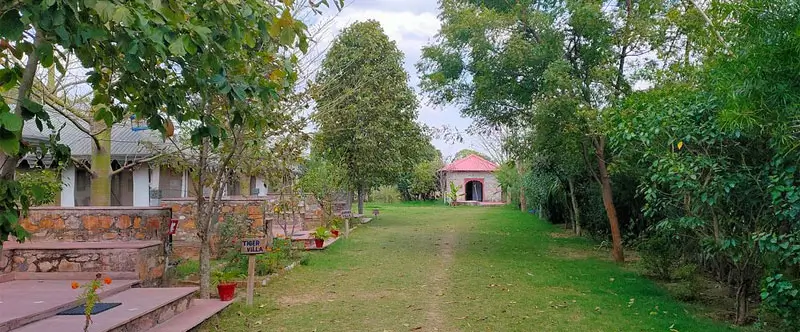
Eco-tourism in Ranthambore is often spoken about, but rarely understood in its true sense. Many travelers assume that staying close to nature automatically means being eco-friendly. In reality, responsible tourism requires conscious decisions, thoughtful operations, and respect for the fragile ecosystem surrounding the forest. Ranthambore is not just a wildlife destination; it is a living landscape where conservation, community, and tourism intersect.
True eco-tourism in Ranthambore begins with how a stay operates on a daily basis. Responsible stays do not focus on scale or spectacle. They focus on minimizing disruption while maximizing awareness. This approach creates a travel experience that benefits both visitors and the environment.
Ranthambore National Park is surrounded by villages, agricultural land, and water bodies that support both wildlife and human life. Any tourism activity in this region directly affects water consumption, waste generation, noise levels, and land use. Irresponsible development can disturb animal movement, strain local resources, and damage long-term sustainability.
Responsible stays near the forest understand this balance. They operate with the awareness that comfort should not come at the cost of ecological harm. Eco-friendly resorts near Ranthambore National Park are designed to blend into the landscape rather than dominate it.
One of the defining features of responsible stays is limited scale. Smaller properties reduce pressure on water, electricity, and waste systems. Instead of hundreds of rooms, eco-conscious stays maintain fewer accommodations to ensure sustainable operations.
This limited scale also reduces foot traffic and noise, preserving the calm environment that wildlife destinations require. Travelers choosing eco stays in Ranthambore often notice the difference immediately through silence and open spaces.
Water is a critical resource in the Ranthambore region. Responsible stays implement rainwater harvesting, water recycling, and mindful consumption practices. Gardens are maintained using efficient irrigation methods rather than excessive water use.
Guests are often encouraged to participate by using water responsibly without compromising comfort. This shared responsibility strengthens awareness and respect for local resources.
Waste management is a major challenge in wildlife tourism zones. Responsible stays actively reduce plastic usage, segregate waste, and compost organic material. Single-use plastics are avoided wherever possible.
Some sustainable resorts in Ranthambore partner with local waste management initiatives to ensure proper disposal. This effort reduces environmental pollution and protects surrounding land and water bodies.
Eco-friendly stays focus on energy-efficient lighting, solar power usage, and natural ventilation. Architectural design plays a key role. Buildings are oriented to maximize airflow and natural light, reducing reliance on artificial cooling.
By using local materials and traditional construction techniques, responsible stays maintain thermal comfort while blending into the environment. This design philosophy supports both sustainability and aesthetics.
Noise pollution disrupts wildlife behavior beyond park boundaries. Responsible stays maintain strict noise control policies. Loud music, fireworks, and excessive activity are avoided.
Silence is treated as an asset rather than an absence. Quiet eco resorts in Ranthambore create environments that align with the forest’s natural rhythm.
Eco-tourism is incomplete without community involvement. Responsible stays employ local staff, source produce from nearby villages, and support traditional livelihoods. This approach ensures that tourism benefits extend beyond property boundaries.
Guests gain authentic insights into local culture through respectful village interactions rather than staged performances. Community-supported stays in Ranthambore build trust and long-term sustainability.
Responsible stays coordinate safaris through licensed operators who follow park regulations strictly. They discourage unethical practices such as overcrowding, off-route driving, or wildlife disturbance.
By educating guests about responsible safari behavior, these stays help protect animal habitats and ensure fair wildlife viewing opportunities.
Food served at responsible stays reflects sustainability principles. Locally sourced ingredients reduce transportation impact. Seasonal menus support regional agriculture.
Meals are prepared in quantities that minimize waste. Guests experience fresh, nourishing food that aligns with eco-conscious values. Farm-based stays in Ranthambore often excel in this area.
Eco-tourism is also about awareness. Responsible stays educate guests through conversations, guided walks, and information sharing. Instead of lectures, learning happens organically through experience.
Travelers leave with a deeper understanding of conservation challenges and responsible travel practices. This knowledge often influences future travel choices.
Eco-friendly does not mean uncomfortable. Responsible stays focus on thoughtful comfort rather than excess. Clean rooms, attentive service, and peaceful surroundings define the experience.
Luxury in eco-tourism is measured by quality of rest, authenticity, and connection with nature. Eco-luxury stays in Ranthambore reflect this balance.
The true success of eco-tourism lies in its long-term impact. Responsible stays contribute indirectly to conservation by reducing environmental strain, supporting local economies, and promoting ethical travel.
Travelers who choose eco-tourism resorts in Ranthambore become part of this conservation effort through informed choices.
Ranthambore’s popularity continues to grow. Without responsible practices, tourism can threaten the very wildlife it celebrates. Eco-tourism offers a path forward that balances access with preservation.
Responsible stays set examples for sustainable development. They demonstrate that tourism can coexist with conservation when approached thoughtfully.
Travelers should look beyond marketing labels. True eco-tourism is reflected in daily operations, community engagement, and environmental practices. Asking the right questions helps identify genuinely responsible stays.
A responsible stay near Ranthambore National Park prioritizes nature, people, and long-term sustainability over short-term gains.
Frequently Asked Questions
What does eco-tourism mean in Ranthambore?
Eco-tourism focuses on minimizing environmental impact while supporting conservation and local communities.
Are eco-friendly stays comfortable?
Yes, they offer thoughtful comfort without excessive consumption.
How do responsible stays protect wildlife?
By controlling noise, waste, and ethical safari coordination.
Do eco stays support local communities?
Yes, through employment, sourcing, and respectful cultural engagement.
Is eco-tourism more expensive?
Value comes from experience quality rather than excess luxury.
Can families choose eco-friendly stays?
Yes, eco stays are suitable for families and children.
Do eco stays reduce plastic usage?
Most responsible stays actively avoid single-use plastics.
Is eco-tourism suitable for senior travelers?
Yes, calm environments and mindful operations support seniors well.
How can travelers identify responsible stays?
By observing practices, staff involvement, and environmental policies.
Why is eco-tourism important for Ranthambore’s future?
It ensures conservation, community support, and sustainable tourism growth.

Stay close to nature at Maa Ashapura Farm – a
boutique retreat near Ranthambore National Park.
Enjoy wildlife safaris, Marwari horse experiences, yoga, nature walks, and
private dining.