
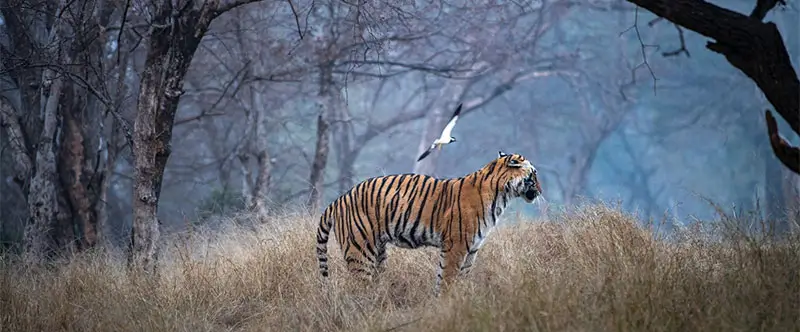
Choosing the right time to visit Ranthambore National Park plays a crucial role in shaping the overall safari experience. While Ranthambore is known for relatively high tiger visibility compared to many other reserves, sightings are never guaranteed. They depend on a combination of season, temperature, vegetation, water availability, and animal behavior.
Many travelers assume that tiger sightings are purely a matter of luck. In reality, understanding seasonal patterns significantly improves expectations and planning. Each phase of the year offers a different experience, and the “best time” depends on what a visitor values most—comfort, photography, wildlife behavior, or overall atmosphere.
This guide explains the best time to visit Ranthambore for tiger sightings in a realistic and practical way, without exaggerated promises.
Ranthambore’s landscape changes dramatically across the year. Dry grasslands, lakes, dense foliage, and open tracks influence how and where tigers move. Since tigers follow prey and water sources, their visibility is directly tied to seasonal conditions.
During cooler months, vegetation is thicker, and animals have more water options. As temperatures rise, water sources shrink, and animal movement becomes more predictable. Understanding this cycle helps travelers choose the right time for their priorities.
The park typically opens for safaris after the monsoon season. During this period, Ranthambore appears lush and green. Lakes are full, grasslands are refreshed, and the forest feels alive.
Tiger sightings during this time are possible, but visibility can be lower due to dense vegetation. Tigers have more space to roam and more water sources, which means they are less concentrated near visible lakes and tracks.
This period is ideal for travelers who want a pleasant climate, scenic beauty, and a calm safari experience rather than purely maximizing sighting probability. Birdlife is especially active, making it a rewarding time for nature lovers.
Winter months bring cooler temperatures and comfortable safari conditions. Mornings can be chilly, but daytime safaris are pleasant, making this season popular among international travelers and families.
Vegetation begins to thin slightly compared to post-monsoon months, improving visibility. Tigers are active throughout the day, although they may prefer basking in sunlight during colder mornings.
While tiger sightings remain consistent, the main advantage of this season is comfort. Travelers who prioritize relaxed exploration and photography often prefer this period, even if sighting chances are not at their absolute peak.
As temperatures begin to rise, the landscape of Ranthambore changes noticeably. Water sources start drying up, and animals are forced to frequent remaining lakes and ponds more regularly.
This shift increases the likelihood of tiger sightings, as tigers often patrol water bodies to hunt prey and cool themselves. Vegetation becomes thinner, improving line of sight along safari routes.
March and April offer a strong balance between comfort and visibility. While afternoons can be warm, the overall experience becomes more wildlife-focused, making this period attractive for serious safari enthusiasts.
Late summer is widely considered the best time to visit Ranthambore for tiger sightings. Temperatures are high, and water sources are limited. Tigers, along with other wildlife, are frequently seen near lakes, ponds, and shaded areas.
Visibility is at its best due to sparse vegetation. Animal movement patterns become predictable, increasing the chances of memorable sightings.
However, this period comes with challenges. Heat can be intense, especially during afternoon safaris. This season is best suited for travelers who prioritize sightings over comfort and are prepared for warm conditions.
Although May and June offer the highest probability of tiger sightings, they are not ideal for all travelers. Families with children, elderly visitors, or those sensitive to heat may find safaris physically demanding.
Understanding personal comfort levels is essential. A safari enjoyed in moderate conditions often leaves a stronger impression than a physically uncomfortable experience, even if sightings are fewer.
Time of day interacts with seasonality in important ways. During cooler months, afternoon safaris often provide better wildlife activity as temperatures rise slightly. In hotter months, early morning safaris may feel more comfortable,
while afternoon safaris can offer dramatic sightings near water bodies.
There is no universally “better” slot. Choosing the right safari time depends on season, temperature, and personal tolerance.
Ranthambore is not only about tigers. Leopards, sloth bears, deer, birds, and reptiles contribute to the overall experience. Seasonal changes affect their visibility as well.
Birdwatchers may prefer post-monsoon and winter months, while those interested in mammal behavior may favor drier seasons. A well-timed visit can enhance appreciation of the park’s full ecosystem.
Peak sighting months also attract the highest number of visitors. Safari permits fill quickly, and popular travel dates require advance planning.
Travelers visiting during shoulder seasons often enjoy quieter safaris, fewer vehicles, and a more relaxed atmosphere. While sightings may be less frequent, the overall experience can feel more immersive.
Wildlife photographers often prefer March to May for visibility and light conditions. First-time visitors may enjoy November to February for comfort and balanced experiences. Budget-conscious travelers may find better availability outside peak months.
Understanding your own travel goals helps define the “best time” more accurately than generic recommendations.
Nature does not follow calendars. Tiger behavior changes daily based on prey movement, weather, and territory. Even during peak months, sightings vary.
The real value of visiting Ranthambore lies in observing wildlife in its natural environment rather than chasing guarantees. Travelers who embrace this mindset often leave more satisfied.
Choosing the right season should align with travel comfort, expectations, and interests. Early planning allows travelers to secure safari permits and design a smooth itinerary around preferred months.
When expectations are realistic, every season in Ranthambore offers something memorable.
Frequently Asked Questions
Which month is best for tiger sightings in Ranthambore
Late summer months generally offer higher visibility, but sightings are never guaranteed.
Is Ranthambore good to visit in winter
Yes, winter offers comfortable weather and a balanced safari experience.
Are tiger sightings guaranteed in summer
No, sightings depend on animal behavior, not season alone.
Is Ranthambore open throughout the year
The park operates seasonally, with closures during the monsoon period.
Is it safe to visit Ranthambore during hot months
Yes, with proper precautions and hydration.
Which season is best for photography
Drier months offer better visibility and lighting conditions.
Do safari zones affect sightings more than season
Both play a role, but season strongly influences animal movement.
Is Ranthambore suitable for families in summer
Families may prefer cooler months for comfort.
Are mornings or afternoons better for sightings
It depends on season and weather conditions.
Can international tourists visit in all seasons
Yes, but comfort levels should be considered while planning.

Stay close to nature at Maa Ashapura Farm – a
boutique retreat near Ranthambore National Park.
Enjoy wildlife safaris, Marwari horse experiences, yoga, nature walks, and
private dining.