
Ranthambore is widely known for its tiger safaris, yet the true essence of the region extends far beyond the boundaries of the national park. Travelers who limit their experience only to jeep rides inside the forest often leave with incomplete impressions. Ranthambore is a living landscape where wildlife, rural life, and natural rhythms coexist. When safari drives are thoughtfully combined with nature walks and village interactions, the journey becomes deeper, calmer, and more fulfilling.
This approach transforms a Ranthambore trip from a sightseeing activity into a lived experience. It allows travelers to observe not only animals but also the environment that sustains them. Choosing the right stay near Ranthambore National Park plays a central role in enabling this balance.
Safari experiences form the heart of Ranthambore travel. The anticipation of early mornings, the quiet entry into the forest, and the slow scanning of landscapes create moments of intense focus. These moments are powerful, but they are also demanding. Safaris require patience, physical comfort, and mental clarity. When combined with excessive activity or rushed schedules, their impact diminishes.
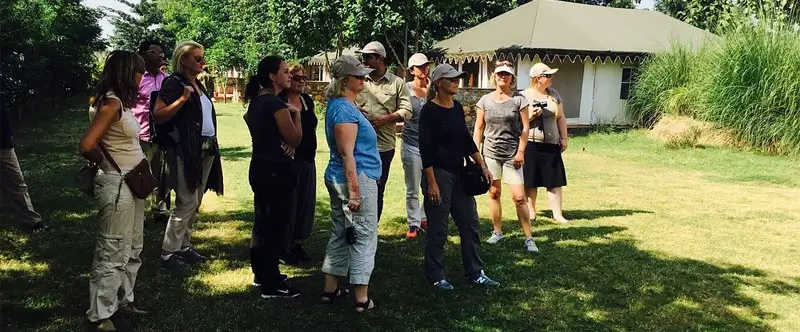
Nature walks offer a complementary rhythm. Unlike safaris, they do not seek dramatic sightings. They invite observation at a slower pace. Walking through open land near the forest, listening to birds, noticing plant life, and feeling the terrain underfoot create an intimate connection with the region. Nature walks near Ranthambore allow travelers to appreciate ecosystems beyond iconic wildlife.
Village life adds another layer to the experience. The communities surrounding Ranthambore have lived alongside wildlife for generations. Their daily routines, agricultural practices, and cultural traditions reflect adaptation and coexistence. Engaging with village life provides perspective that safari-only trips often miss.
Balancing these three elements requires thoughtful planning. Staying at a farm stay near Ranthambore makes this balance achievable. Farm stays naturally integrate open spaces, walking paths, and proximity to villages. They provide an environment where experiences unfold organically rather than being tightly scheduled.
Morning safaris often set the tone for the day. After returning from the forest, travelers benefit from rest rather than immediate activity. Farm stays support this by offering quiet surroundings and private spaces. Rest periods preserve energy and enhance attention for later experiences.
Late mornings are ideal for nature walks. The surrounding landscape reveals subtle details during daylight hours. Butterflies, birds, and plant life become visible. Guides or hosts often share insights into local flora and fauna. These walks deepen understanding without physical strain.
Village visits are best approached respectfully and unhurriedly. Rather than treating villages as attractions, responsible travel emphasizes observation and conversation. Local hosts facilitate interactions that feel natural rather than staged. Village experiences near Ranthambore provide insight into rural life shaped by the forest.
Food becomes part of the cultural connection. Meals prepared using local ingredients reflect seasonal availability and traditional practices. Dining in calm environments allows travelers to appreciate flavors and conversations without distraction. Farm stays in Ranthambore often excel at integrating food with experience.
Evenings offer space for reflection. After a day combining safari, walking, and village interactions, travelers often feel content rather than exhausted. Sitting outdoors, listening to natural sounds, and revisiting the day’s moments becomes part of the journey.
This layered experience benefits different traveler types. Couples appreciate the intimacy and shared discovery. Families value the educational aspect for children. Senior travelers enjoy the gentle pace. Wildlife enthusiasts gain broader ecological understanding. Balanced Ranthambore itineraries accommodate diverse needs without compromise.
Nature walks also improve safari appreciation. Understanding tracks, plants, and animal behavior outside the park enhances observation during safaris. Travelers begin noticing signs rather than only sightings. This awareness enriches every forest visit.
Village life interactions foster empathy. Observing how communities coexist with wildlife challenges simplistic views of conservation. Travelers gain respect for local resilience and adaptability. This perspective often reshapes attitudes toward responsible tourism.
Silence plays a crucial role throughout the experience. Loud entertainment or crowded resorts disrupt reflection. Quiet stays near Ranthambore National Park allow moments to settle emotionally. Silence enhances learning and connection.
Another advantage of combining these experiences is reduced pressure on safari outcomes. Travelers no longer view safaris as the sole measure of success. Even if sightings are limited, the journey remains fulfilling. This mindset reduces frustration and enhances satisfaction.
The physical environment of farm stays supports this holistic approach. Open land, gardens, and natural surroundings invite exploration without effort. Travelers feel part of the landscape rather than visitors passing through.
For photographers, combining safari with nature walks expands creative possibilities. Macro photography, landscapes, and village scenes complement wildlife shots. Photography-focused stays in Ranthambore often encourage this diversity.
Responsible tourism also benefits from this approach. Spreading activities reduces pressure on park resources. Supporting villages strengthens local economies. Choosing eco-conscious stays near Ranthambore aligns personal experience with conservation goals.
This style of travel encourages mindfulness. Travelers become present rather than outcome-driven. They listen more, observe more, and consume less. Such experiences often linger longer in memory.
Planning considerations include selecting accommodations that facilitate walking access and village proximity. Scheduling activities with rest intervals maintains balance. Flexibility allows adaptation based on energy levels and interests.
This integrated approach redefines what it means to experience Ranthambore. The destination becomes more than a tiger reserve. It becomes a region with stories, rhythms, and relationships.
Travelers who adopt this mindset often return with a sense of completeness. They remember mornings and evenings as vividly as sightings. They feel connected rather than entertained.
Combining safari, nature walks, and village life creates a Ranthambore journey rooted in understanding rather than consumption. It respects the forest, the people, and the traveler’s own need for balance
Frequently Asked Questions
Can safari, nature walks, and village visits be done in one trip?
Yes, when planned thoughtfully and supported by suitable accommodation.
Is this type of itinerary suitable for families?
Yes, it offers educational and relaxed experiences for all ages.
Do nature walks require high fitness levels?
No, they are generally gentle and adaptable.
Are village visits safe and respectful?
Yes, when organized responsibly through local hosts.
Does combining activities reduce safari quality?
No, it often enhances appreciation and focus.
Is a farm stay necessary for this experience?
Farm stays naturally support this balanced approach.
Can senior travelers enjoy this itinerary?
Yes, the slow pace and rest intervals suit seniors well.
Do photographers benefit from village and nature walks?
Yes, they expand creative opportunities beyond wildlife.
Is this approach eco-friendly?
Yes, it supports sustainable tourism and local communities.
What is the main benefit of combining these experiences?
A deeper, calmer, and more meaningful Ranthambore journe

Stay close to nature at Maa Ashapura Farm – a
boutique retreat near Ranthambore National Park.
Enjoy wildlife safaris, Marwari horse experiences, yoga, nature walks, and
private dining.