
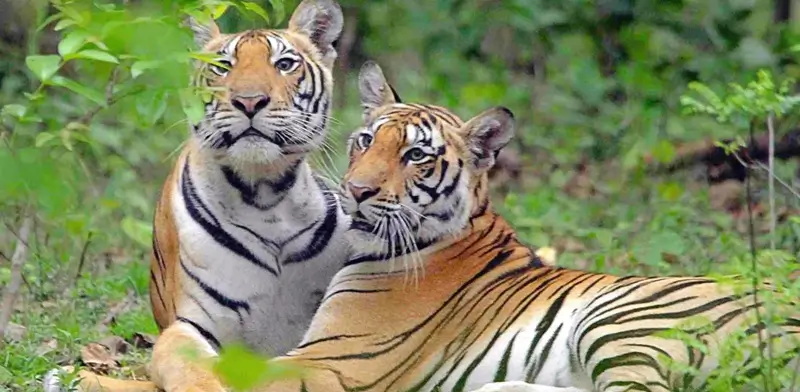
Ranthambore is divided into 10 safari zones, each offering a unique landscape, biodiversity, and opportunity for wildlife encounters. But for many travelers, one question remains at the top: Which zone is best for spotting a tiger in Ranthambore?
This blog breaks down all the zones of Ranthambore National Park, their key features, and insider tips to help you choose the best zone for tiger sightings.
Overview of Ranthambore Safari Zones
Ranthambore is divided into:
Core Zones (1 to 5)
Buffer Zones (6 to 10)
Each zone is accessible by both jeep safari and canter safari, and is assigned randomly at the time of booking unless you pre-select (if available).
Zone 1 – The Hidden Territory
This zone is often overlooked but holds great potential for tiger sightings. The landscape is rugged and rocky, with narrow paths winding through dense undergrowth and dry deciduous forest. Zone 1 is known to be the territory of T-39 (Noor), a famous tigress often seen with cubs. Sightings are fewer but more intimate when they do happen. Its raw, untouched feel appeals to those seeking a more authentic jungle experience, away from the crowds.
Tip: Book Zone 1 if you want fewer jeeps and a chance for a quiet safari.
Zone 2 – The Wildlife Corridor
Arguably the best zone for consistent tiger sightings, Zone 2 is characterized by open grasslands, waterholes, and rocky outcrops. It is a frequent hunting ground and territorial path for tigers like T-60 and T-114. Photographers favor this zone due to clear lines of sight and good light. Animal movements are frequent here, making it one of the most rewarding zones in terms of wildlife activity.
Tip: Ideal for serious wildlife photographers and those visiting for the first time.
Zone 3 – Lake Paradise
Zone 3 is breathtakingly beautiful. It includes Padam Talao, one of Ranthambore's most iconic lakes, and the historic Raj Bagh ruins. Tigers like Arrowhead (T-84) frequently roam here, making for a perfect combination of landscape and wildlife. The presence of water bodies attracts a wide range of animals and birds. In the early morning, mist rising from the lake adds a magical touch to this zone.
Tip: Book a morning safari in Zone 3 for majestic views and high tiger probability.
Zone 4 – The Forest Heart
This zone is larger and denser, with deep valleys, thick forests, and secluded watering holes. It's known for its biodiversity, hosting not only tigers but also leopards, sloth bears, and an array of birds. Tigers like Riddhi and Siddhi have been regularly spotted here. Due to the thicker foliage, sightings can be more challenging but extremely rewarding.
Tip: Stay alert to alarm calls and movement—Zone 4 is a true jungle experience.
Zone 5 – The Tiger Transit
Acting as a corridor between Zones 3 and 4, Zone 5 features dense underbrush, bamboo clumps, and open meadows. While not as celebrated as Zones 2 or 3, it witnesses frequent tiger movements, particularly of T-98 and other roaming tigers. It offers a balanced experience with good chances for both big cats and herbivores.
Tip: A solid option if your preferred core zones are booked.
Buffer Zones: Growing in Popularity
Zone 6 (Kundal)
With terrain similar to Zone 1, Zone 6 offers rocky trails, sparse vegetation, and a rising tiger population. It is peaceful and often sees fewer tourists. Recent years have seen more sightings, especially as younger tigers establish new territories here.
Tip: Book Zone 6 for a quiet, promising experience.
Zone 7 (Chidikho)
A rocky and rugged zone with minimal foliage, Zone 7 is not a top pick for tiger spotting but has its own charm. You may encounter sloth bears, hyenas, and occasionally a tiger. Its lesser popularity means a more private safar
Tip: Great for wildlife variety beyond tigers.
Zone 8 (Balas)
Zone 8 features hilly, uneven terrain and limited tree cover. Tigers are rarely sighted here, but it offers excellent birdwatching opportunities. The topography provides unique panoramic views ideal for landscape photographers.
Tip: Choose Zone 8 if you're a birder or enjoy peaceful nature drives.
Zone 9 (Kuwalji)
Located far from the main safari entrance, Zone 9 requires a longer travel time (approx. 45 km). However, it is home to T-42 (Fateh) and has a calm, untouched wilderness vibe. The drive through rural landscapes also adds to the experience.
Tip: Book if you're staying longer and want to explore remote areas.
Zone 10 (Bhuriphadi)
Once underrated, Zone 10 has recently gained popularity due to sightings of T-99 and T-108. It offers rocky hills, seasonal streams, and quieter trails. Sightings here are unpredictable but can be thrilling due to fewer vehicles and less disturbance.
Tip: A dark horse among the zones—worth the gamble if you're doing multiple safaris.
Based on data, sightings, and visitor feedback:
Top 3 Zones for Tiger Sightings:
That said, Zone 10 is gaining momentum and surprises many lucky visitors.
Tips for Choosing Your Safari Zone
Book early to increase your chances of selecting a preferred zone
If tiger sightings matter most, aim for Zones 2 to 4
For peace and fewer tourists, go for Zones 1, 6, or 10
For photographers, choose zones with waterbodies and open views
If possible, do multiple safaris in different zones
No matter which zone you get, Ranthambore never disappoints. Tigers are territorial, but they also move between zones. Your guide’s skill, your patience, and a bit of luck play a major role.
So next time you're planning your tiger safari in Ranthambore, use this zone guide to make an informed choice.
FAQs
1. How many zones are there in Ranthambore National Park?
There are 10 safari zones, divided into core and buffer areas.
2. Which zone has the highest tiger sightings in Ranthambore?
Zone 2 is considered the best for consistent tiger activity.
3. Are buffer zones good for tiger sightings?
Yes, especially Zone 10 has become very promising recently.
4. Can I choose the safari zone while booking?
Sometimes yes, if booking is early and slots are available.
5. Is Zone 3 good for photography?
Absolutely. Padam Talao and Raj Bagh offer stunning landscapes.
6. What wildlife is seen in buffer zones?
Apart from tigers, expect leopards, sloth bears, hyenas, and birds.
7. Which is the most scenic zone in Ranthambore?
Zone 3 is widely loved for its lakes and ruins.
6. What wildlife is seen in buffer zones?
Apart from tigers, expect leopards, sloth bears, hyenas, and birds.
7. Which is the most scenic zone in Ranthambore?
Zone 3 is widely loved for its lakes and ruins.
8. How far is Zone 9 from the main Ranthambore gate?
Approximately 45 km; allow travel time.
9. Is Zone 1 worth visiting?
Yes, especially for offbeat exploration and shy tigers.
10. Which zone should I avoid for tiger sightings?
Zones 7 and 8 have lower tiger activity, though still worth visiting for other wildlife.
11. Are morning safaris better than evening for tiger sightings?
Generally yes, especially in hotter months.
12. Can I do multiple safaris in different zones?
Yes. Many travelers book 2-4 safaris to maximize chances.
Stay close to nature at Maa Ashapura Farm – a
boutique retreat near Ranthambore National Park.
Enjoy wildlife safaris, Marwari horse experiences, yoga, nature walks, and
private dining.