
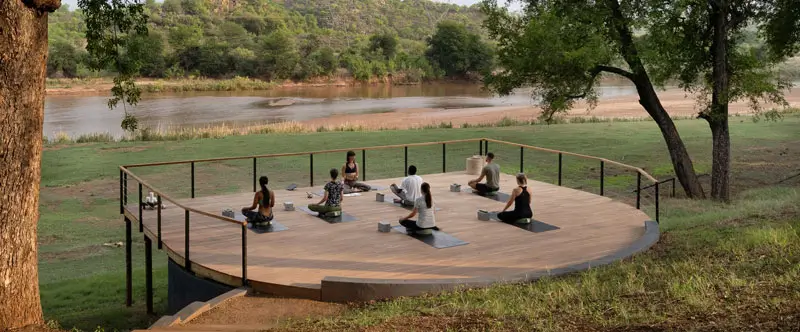
Yoga is often associated with controlled environments. Wooden floors, mirrors, soft music, aligned mats, and carefully regulated temperature define the modern studio experience. These spaces offer structure and familiarity, yet many practitioners quietly sense a limitation they cannot fully explain. Despite perfect posture and guided breath, something feels contained. Near Ranthambore, where yoga is practiced in open landscapes rather than enclosed rooms, this limitation becomes clear. Yoga in nature feels different because the practice is no longer confined—it is absorbed.
In natural surroundings, yoga stops being an activity performed within a space and becomes a dialogue with the environment. The body listens differently. The breath behaves differently. Awareness expands beyond form and enters relationship. This shift is subtle yet profound, and it explains why many practitioners describe outdoor yoga as more grounding, more honest, and more complete.
One of the first differences practitioners notice when practicing yoga in nature is physical rather than mental. Breathing deepens without instruction. Muscles release more quickly. Balance feels intuitive rather than forced.
This response occurs because the nervous system feels safer in open, natural settings. There is no echo, no artificial boundary. The body senses space and responds by softening. In contrast, studio environments often require conscious effort to relax.
Near Ranthambore, where landscapes are wide and still, the body recognizes familiarity at an instinctive level. Yoga becomes less about achieving posture and more about inhabiting it fully.
Experience the calming energy of practicing yoga surrounded by fresh air, open landscapes, peaceful farm life, and natural silence near Ranthambore. Discover wellness, relaxation, and mindful living away from crowded city studios.
Chat On WhatsApp Contact UsBreath is central to yoga, yet it behaves differently depending on environment. In city studios, breath often competes with background noise, artificial airflow, and mental distraction.
In nature, breath aligns with surroundings. Cooler air enters lungs without resistance. Natural scents replace stale circulation. Exhalations lengthen naturally.
Practitioners often realize they are breathing fully for the first time in a long while. This honest breath anchors the practice, making even simple movements feel complete. This is why pranayama in natural settings often feels deeper than guided studio sessions.
Mirrors dominate studio yoga. While helpful for alignment, they also encourage self-monitoring and comparison.
In nature, mirrors disappear. Without reflection, attention turns inward. Practitioners feel posture instead of checking it. Sensation replaces appearance.
This internal focus shifts yoga away from performance and toward awareness. The practice becomes experiential rather than visual, allowing practitioners to reconnect with their bodies without judgment.
Studio floors are designed for uniformity. Nature is not.
Practicing yoga on grass, earth, or natural platforms introduces subtle instability. This instability requires attention. Muscles engage thoughtfully. Balance becomes dynamic.
Rather than being a limitation, uneven ground enhances proprioception. Practitioners feel more present because the body must respond continuously. Yoga becomes a conversation rather than a repetition.
This interaction strengthens both physical awareness and mental focus.
Silence in studios is often enforced. Silence in nature exists naturally.
Outdoor silence is layered—wind moving through leaves, distant bird calls, subtle shifts in sound. This ambient silence supports concentration without demanding it.
Practitioners often find their minds wandering less because the environment offers gentle sensory engagement. Thoughts settle rather than scatter. Meditation follows movement effortlessly.
This quality makes meditation in nature near Ranthambore feel accessible even to those who struggle indoors.
Artificial lighting in studios flattens perception. Natural light reshapes it.
Morning light softens muscles. Evening light calms the nervous system. Shadows move slowly, reminding practitioners of time’s natural flow.
Practicing yoga in changing light conditions deepens awareness of the present moment. Each session feels unique knowing the light will not repeat itself.
This impermanence adds emotional depth to the practice.
Many practitioners feel pressure in studio environments—to perform well, to keep up, to progress.
In nature, this pressure dissolves. There is no audience. No comparison. No expectation.
Yoga becomes permissive rather than directive. Practitioners rest when needed. Move intuitively. Pause without apology.
This freedom restores yoga’s original intent as a personal, adaptive practice rather than a standardized routine.
In cities, the mind often dominates. The body follows instructions.
In nature, sensory input brings the body forward. Temperature, sound, and texture keep attention grounded. The mind joins rather than leads.
This integration reduces mental chatter. Movement feels purposeful. Stillness feels earned.
Practitioners often describe feeling “whole” rather than focused on isolated body parts or goals.
Outdoor yoga sessions often feel satisfying even when shorter. This is because attention is undivided.
Without distraction, quality replaces quantity. A few mindful movements feel complete.
This efficiency contrasts sharply with studio practices that rely on duration and repetition to feel effective.
Walls define boundaries. They also constrain.
Practicing yoga without walls creates emotional openness. There is room to feel without containment.
Near Ranthambore, where landscapes feel vast yet safe, practitioners often access emotions gently. Reflection occurs without overwhelm.
This emotional safety deepens trust in the practice.
Yoga practiced in nature leaves a residue. Breath patterns change. Awareness lingers.
Practitioners often notice improved focus, calmer reactions, and deeper sleep long after the session ends.
This transferability makes outdoor yoga particularly impactful.
Escape busy routines and enjoy mindful moments with nature, fresh countryside air, peaceful farm views, and relaxing wellness experiences near Ranthambore. Refresh your body and calm your mind with a slower way of living at Maa Ashapura Farm.
Chat On WhatsApp Contact UsIn nature, yoga becomes relational. The body relates to earth. Breath relates to air. Awareness relates to space.
This relational quality restores yoga’s philosophical roots. Practice feels meaningful rather than mechanical.
Ranthambore’s quiet landscapes, open skies, and rhythmic calm create ideal conditions for outdoor practice.
There is enough stillness to support focus and enough life to prevent emptiness. This balance is rare.
Practicing yoga here feels less like escape and more like alignment.
This experience suits practitioners feeling constrained by routine, burned out by urban environments, or disconnected from their bodies.
It rewards openness rather than ambition.
After practicing in nature, many practitioners reconsider studio habits. They value presence over precision, awareness over achievement.
Yoga becomes less about improvement and more about integration.
Because it integrates body, breath, and environment seamlessly.
Yes, children often engage naturally in open settings.
It feels freer while still supporting discipline.
Yes, forest-edge environments offer unique calm and containment.
No, shorter sessions often feel complete due to focused attention.
Often yes, stillness feels more accessible outdoors.
Breath deepens naturally due to cleaner air and reduced noise.
Yes, guided sessions in appropriate spaces are safe and grounding.
It enhances balance and presence rather than hindering practice.
Yes, natural settings encourage intuitive movement and awareness.
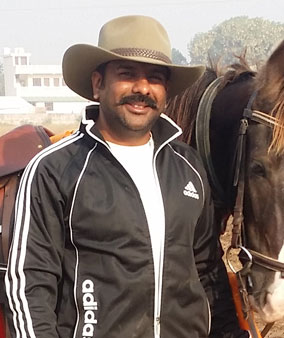
Stay close to nature at Maa Ashapura Farm – a
boutique retreat near Ranthambore National Park.
Enjoy wildlife safaris, Marwari horse experiences, yoga, nature walks, and
private dining.