

For decades, Ranthambore has been spoken about almost exclusively through the lens of tiger safaris. The closer one stays to the forest gates, the better the experience is assumed to be. Yet seasoned travelers, photographers, and slow-travel enthusiasts often discover the opposite. Staying just outside the tiger zone reveals a version of Ranthambore that feels calmer, richer, and more personal.
The tiger zone is undeniably iconic. It carries anticipation, urgency, and expectation. Outside it, however, Ranthambore breathes differently. The landscape softens, time stretches, and the forest feels less like a spectacle and more like a living presence. This distinction shapes not only where travelers sleep, but how they experience the entire journey.
Understanding why staying outside the tiger zone near Ranthambore enhances travel requires letting go of assumptions and tuning into rhythm rather than proximity.
Inside the tiger zone, mornings begin with alarms, packed vehicles, and tightly managed schedules. The goal is clear: enter the forest on time, follow a route, search for sightings, exit, repeat. Everything revolves around access.
This intensity affects the atmosphere of accommodation as well. Properties inside the zone often operate on logistics rather than experience. Guests move in clusters, conversations revolve around sightings, and silence is rare.
Outside the tiger zone, pressure dissolves. There is no urgency to reach a gate. No crowd to match pace with. The forest exists nearby, not as a deadline but as a presence.
This difference alone reshapes the emotional tone of a Ranthambore stay.
Enjoy peaceful countryside comfort near Ranthambore with fresh air, local food & a relaxing wildlife travel experience.
Chat On WhatsApp Contact UsStaying outside the tiger zone changes how the forest is encountered. Instead of being something entered briefly through a permit, it becomes a constant backdrop.
Early mornings unfold without engines. Birdsong replaces radio chatter. Wind moves through trees uninterrupted. The forest does not feel borrowed for a few hours; it feels shared.
Travelers who choose quiet stays near Ranthambore often describe a stronger sense of connection, even if they spend less time inside the park itself. The forest feels closer because it is experienced without interruption.
Many travelers arrive with one dominant expectation: seeing a tiger. While sightings can be thrilling, they are brief moments surrounded by hours of anticipation.
Silence, on the other hand, lingers. It settles into the body. It slows breathing, sharpens hearing, and invites observation. Silence allows the mind to notice patterns rather than chase outcomes.
Outside the tiger zone, silence is not rare. It is part of daily life. This silence becomes one of the most valuable aspects of the experience, especially for travelers seeking mindful travel in Ranthambore.
Safaris dictate time. Meals, sleep, and movement revolve around fixed entry slots. Inside the zone, even leisure follows the rhythm of permits.
Outside the zone, time becomes flexible. Mornings can begin slowly. Afternoons can stretch into reading, walking, or resting. Evenings can be spent under open skies without preparing for an early rush.
This freedom allows travelers to reclaim agency over their journey. Ranthambore becomes less about compliance and more about choice.
Communities surrounding Ranthambore live alongside the forest year-round. Outside the tiger zone, their presence is visible and accessible.
Village paths, grazing cattle, farmers beginning their day, and children heading to school form part of the landscape. These scenes offer cultural insight that safari-centric stays often miss.
Travelers seeking authentic rural experiences near Ranthambore find these moments deeply grounding. They reveal how life adapts around wildlife rather than competing with it.
Wellness requires calm. Meditation, yoga, reflection, and rest thrive in environments free from noise and pressure.
Outside the tiger zone, open land and natural quiet create ideal conditions for wellness retreats near Ranthambore. Breathing feels deeper. Movement feels unforced. Attention turns inward naturally.
This is why Ranthambore is quietly evolving beyond wildlife tourism into a destination for mental reset and emotional balance.
Tigers dominate narratives, but Ranthambore’s ecosystem extends far beyond them. Outside the tiger zone, wildlife still exists, just without spectacle.
Birds, deer, smaller mammals, and nocturnal life appear in subtle ways. Observing them without pursuit fosters appreciation rather than excitement.
This broader perspective enriches understanding of the region’s biodiversity and reinforces the value of ethical wildlife experiences near Ranthambore.
Photographers often prioritize atmosphere over proximity. Soft light, uninterrupted landscapes, and emotional context matter more than dramatic sightings.
Staying outside the tiger zone offers cleaner frames. No dust clouds, no crowded vehicles, no pressure to capture proof.
The forest becomes a subject rather than a backdrop. Photography shifts from documentation to storytelling.
Inside the zone, evenings are often filled with discussion, planning, and early rest. Outside, evenings open up.
Sunsets stretch slowly. Skies darken fully. Stars emerge without competition from artificial light. Conversations soften or fall away entirely.
These evenings restore balance after stimulating days. They remind travelers that rest is not an absence of activity, but an experience in itself.
Space influences emotion. Open land, fewer structures, and quieter surroundings allow emotions to surface gently.
Travelers often report feeling lighter, calmer, and more present when staying outside the tiger zone. The absence of crowd energy reduces mental noise.
This emotional clarity becomes one of the most valued outcomes of the journey.
Tourism often performs nature for visitors. Outside the tiger zone, nature performs for no one.
Animals move when they choose. Light shifts without drama. Sounds appear and fade naturally.
This lack of performance restores authenticity. Ranthambore feels less like a destination and more like a place.
First-time visitors often focus on safaris. Repeat travelers seek depth.
Those returning to Ranthambore frequently choose stays outside the tiger zone, having already experienced the chase. They come back for calm, rhythm, and connection.
This shift reflects a deeper relationship with the region.
Relax away from crowded safari zones and enjoy authentic village life, peaceful stays & natural countryside beauty.
Chat On WhatsApp Contact UsLuxury here is not proximity to gates. It is freedom from urgency.
It is waking without alarms, eating without schedules, and resting without guilt. This form of luxury resonates with travelers seeking offbeat luxury stays in Rajasthan.
Ironically, staying outside the tiger zone often improves the safari experience. Travelers arrive calmer, less desperate, more observant.
Sightings feel like gifts rather than expectations. Disappointment fades. Gratitude increases.
The forest is met with respect rather than demand.
This experience suits travelers who value silence, nature, culture, wellness, photography, and emotional depth.
It rewards patience and curiosity. It is less suited for checklist travelers and more suited for those seeking meaning.
Ranthambore does not end at the forest gate. Its spirit extends into surrounding land, villages, and skies.
Staying outside the tiger zone allows travelers to experience this continuity, understanding the region as an ecosystem rather than an attraction.
Travelers may forget gate numbers and safari routes, but they remember quiet mornings, unhurried evenings, and the feeling of space.
These memories linger because they are emotional rather than transactional.
Because they value depth, calm, and emotional connection over proximity.
Yes, especially for those seeking balance rather than only sightings.
Yes, it removes schedule pressure and crowd dynamics.
Yes, the calm environment supports yoga, meditation, and rest naturally.
Many do, due to better light, fewer crowds, and uninterrupted landscapes.
Yes, families often enjoy the space, safety, and calm atmosphere.
Yes, significantly quieter, especially during early mornings and evenings.
Safaris remain accessible while offering more flexibility and less pressure.
No, wildlife exists beyond the core zones, though sightings are subtler and more natural.
No, it often provides a more authentic experience by allowing deeper engagement with nature and local life.
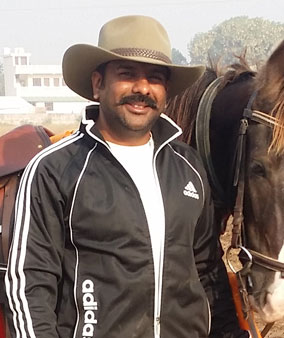
Stay close to nature at Maa Ashapura Farm – a
boutique retreat near Ranthambore National Park.
Enjoy wildlife safaris, Marwari horse experiences, yoga, nature walks, and
private dining.