Safari Zones, Timings and Tiger Spotting Tips Explained
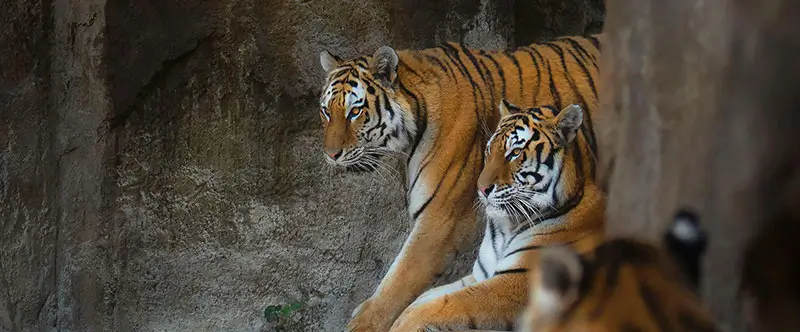
When travelers think of tiger safaris in India, Ranthambore National Park in Rajasthan often tops the list. Spread across 1,300 sq km including the buffer zone, Ranthambore is one of the best places in the world to see the Royal Bengal Tiger in its natural habitat. Unlike many other reserves, Ranthambore offers relatively high chances of tiger sightings, thanks to its open terrain, lakes, and grasslands.
Foreign tourists, photographers, and wildlife enthusiasts visit Ranthambore throughout the year to enjoy thrilling jeep and canter safaris. But planning a safari is not just about booking tickets — you need to know the zones, timings, booking system, rules, and expert tips to make the most of your trip.
This ultimate guide covers everything about Ranthambore tiger safaris, so you don’t miss any detail.
History of Ranthambore National Park
Before diving into safaris, it’s worth understanding Ranthambore’s background.
- The park was once the private hunting ground of the Maharajas of Jaipur.
- In 1973, it became part of Project Tiger, India’s flagship conservation program.
- Today, it is home to around 80+ tigers, along with leopards, sloth bears, marsh crocodiles, jackals, hyenas, and over 300 bird species.
- The presence of Ranthambore Fort, a UNESCO World Heritage Site, makes the park unique among India’s reserves.
Safari Types in Ranthambore
Tourists can choose between two types of vehicles for safaris:
- Gypsy (Jeep Safari):
- 6-seater open jeeps.
- Ideal for photographers and small groups.
- Provides flexibility and better maneuverability inside forest tracks.
- Canter Safari:
- 20-seater open canters (mini buses).
- More economical but less private.
- Suitable for large groups or budget travelers.
Both options give access to the same zones, but gypsy safaris are in high demand, so book early.
Safari Timings – Morning & Evening Rides
Safaris are conducted twice daily. The timings depend on sunrise and sunset.
- Winter (Oct–Feb):
- Morning: 7:00 am – 10:30 am
- Evening: 2:00 pm – 5:30 pm
- Summer (Mar–Jun):
- Morning: 6:00 am – 9:30 am
- Evening: 3:00 pm – 6:30 pm
Each safari lasts about 3.5 hours. Foreign tourists usually prefer morning safaris for better photography light, while evenings are also rewarding due to animal activity.
Safari Zones in Ranthambore – A Detailed Breakdown
Ranthambore is divided into 10 core zones and multiple buffer zones. Each zone has its own unique landscape and tiger population.
Zone 1
- Famous for tigers T-39 (Noor) and T-57.
- Features the Singh Dwar entry gate and several waterholes.
- Sightings of leopards and sloth bears also reported.
Zone 2
- High tiger density.
- Popular for sighting Arrowhead (T-84) and other dominant tigers.
- Several water bodies like Jhalra and Phuta Kot.
Zone 3
- Home range of Machli (the legendary tigress) in the past.
- Features iconic Padam Talab lake and Jogi Mahal.
- Great for photography with fort backdrop.
Zone 4
- Currently ruled by tigers like Riddhi (T-124) and Arrowhead’s cubs.
- Features Lakarda, Lakkad Da, and Singh Dwar.
Zone 5
- Similar to Zone 4 with overlapping tiger territories.
- Known for regular sightings of Krishna (T-19) in the past.
Zone 6 (Kundal)
- Open terrain, less crowded.
- Good for leopards and hyenas.
- Tigers like T-8 (Ladli) spotted here.
Zone 7 (Chidikho)
- Hilly terrain, more challenging for sightings.
- Occasionally offers rare leopard and sloth bear sightings.
Zone 8 (Balas)
- Features Balas Lake.
- Lesser tiger sightings but good birdwatching.
Zone 9 (Kuwalji)
- Located 45 minutes from main gate.
- Good for wildlife like caracals and striped hyenas.
Zone 10 (Aantri)
- Tiger population increasing in recent years.
- Less crowded, peaceful safari experience.
Pro Tip: Most tourists prefer zones 2, 3, 4, and 5 for tigers, but zones 6–10 are becoming popular for offbeat experiences.
Best Time to Visit Ranthambore for Tiger Safari
- October – March: Pleasant weather, best for overall experience.
- April – June: Very hot (40–45°C) but highest chance of tiger sightings near water bodies. Photographers love this season.
- July – September: Park closed due to monsoon, but buffer zones may be open.
How to Book Ranthambore Safari Tickets
Safari bookings are managed by the Rajasthan Forest Department.
- Online Booking: Available on official website. Book at least 90 days in advance, especially for foreign tourists.
- Offline Booking: Limited tickets available at counters in Sawai Madhopur.
- Required Details: Passport ID for foreign tourists, date preferences, choice of vehicle.
Tip: Always carry the same passport during safari that was used for booking.
Rules and Guidelines for Safari
- Do not get down from vehicle inside park.
- Maintain silence, avoid loud noises.
- No littering or smoking.
- Follow guide’s instructions.
- Respect wildlife — no chasing or feeding animals.
Violating rules can result in heavy fines or blacklisting from future safaris.
Wildlife Beyond Tigers
Though tigers are the star attraction, Ranthambore is rich in biodiversity.
- Animals: Leopards, striped hyenas, sloth bears, jackals, nilgai, sambars, wild boars.
- Birds: Over 300 species including crested serpent eagle, Indian courser, and painted stork.
- Reptiles: Marsh crocodiles, monitor lizards, snakes.
- Flora: Dry deciduous forest with dhok trees, banyans, mango groves.
Tips for First-Time Safari Visitors
- Dress Code: Neutral colors like beige, brown, olive. Avoid bright clothes.
- What to Carry: Binoculars, camera, hat, sunscreen, water bottle.
- Best Lenses for Photography: 100–400mm zoom recommended.
- Health Precautions: Summer safaris can be very hot; carry ORS and stay hydrated.
Staying Near Ranthambore
Sawai Madhopur offers multiple options:
- Luxury Resorts: Perfect for foreign tourists seeking comfort.
- Mid-Range Hotels: Suitable for families.
- Budget Stays: Guesthouses and camps.
Staying close to the park gate increases chances of getting early safari entry.
Why Ranthambore is Popular Among Foreign Tourists
- High tiger density and good chance of sightings.
- Easy accessibility from Jaipur (180 km).
- Combination of wildlife + culture (fort, temples, villages).
- Rich history with legendary tigers like Machli.
FAQs
Q1: How many safari zones are there in Ranthambore?
There are 10 core zones and several buffer zones.
Q2: Which zone is best for tiger sightings?
Zones 2, 3, 4, and 5 are considered the best.
Q3: What is the cost of safari for foreign tourists?
Jeep safari costs around ₹1,700–₹2,200 per person; canter around ₹1,200–₹1,500.
Q4: Can I book safari tickets online?
Yes, via the official Rajasthan Forest Department website.
Q5: Is Ranthambore open all year round?
No, it closes during monsoon (July–September).
Q6: How many safaris should I book for good sightings?
At least 3–4 safaris increase chances of spotting a tiger.
Q7: Is it safe for families and children?
Yes, safaris are safe when rules are followed.
Q8: Can I carry food inside the park?
Snacks are allowed but avoid littering.
Q9: Are private vehicles allowed inside the park?
No, only registered jeeps and canters are allowed.
Q10: What are the photography charges?
There is no extra charge for normal cameras; heavy professional gear may need special permits.