
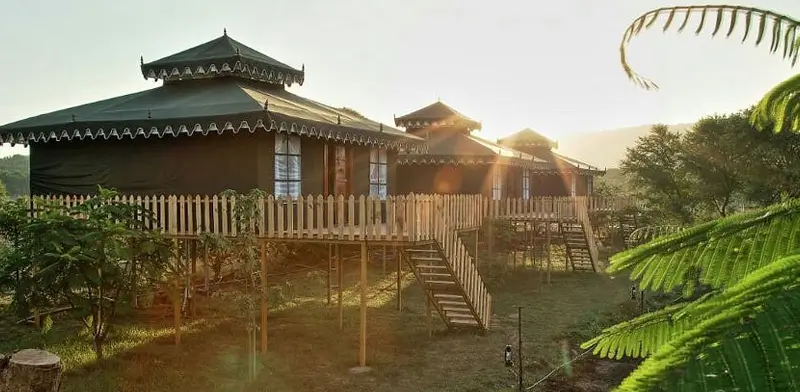
Ranthambore is best known for its thrilling jungle safaris and the majestic Royal Bengal tiger. But there’s much more to this region than just wildlife. Whether you’re here for a weekend getaway or an extended nature retreat, the area around Ranthambore National Park is filled with historical landmarks, cultural gems and natural beauty that many visitors overlook. At Maa Ashapura Boutique Farm, we often encourage our guests to explore beyond the safari. These nearby attractions offer a richer, more complete experience of Rajasthan’s heritage and charm. Here’s a list of the top things to see and do near Ranthambore National Park that go beyond the tiger chase.
Perched on a hill inside the national park, Ranthambore Fort is a spectacular 10th-century structure that blends history, architecture, and breathtaking views. Once a royal hunting retreat, this massive fort has seen battles, sieges, and centuries of change. Wander through its towering gateways, ancient temples, and ruined palaces. Visit the Ganesh Temple, a revered site still active with daily worshippers. From the top, you can see vast stretches of jungle and spot lakes and forest trails that may look familiar from your safari.
Why Visit: Rich history, panoramic views, and a spiritual vibe
Travel Tip: The fort is open to all and doesn’t require safari booking. It’s best explored in the early morning or late afternoon.
If you’re visiting between October and March, Surwal Lake offers a peaceful escape into nature. Just 25 minutes from the park, this shallow seasonal lake becomes a haven for migratory birds, including painted storks, spoonbills, flamingos, and herons. The area is calm and uncrowded - perfect for a morning walk, light photography, or simply enjoying the silence of nature. It’s a reminder that Ranthambore’s beauty isn’t limited to big cats.
Why Visit: Birdwatching, photography, tranquil natural setting
Travel Tip: Visit at sunrise for the best light and bird activity
Although located inside the park, Padam Talao and the iconic Jogi Mahal (visible from afar) deserve their own mention. This is one of the most scenic spots in the park, often photographed with a tiger lounging on its banks and waterbirds gliding across the surface. Jogi Mahal, once a hunting lodge, now stands quietly as a symbol of the princely era. Near the edge of Padam Talao is also the second-largest Banyan tree in India.
Why Visit: Stunning scenery, great for photos and quiet reflection
Travel Tip: Accessible only during your safari in zones like 3 or 4.
Located in Sawai Madhopur, this modern and thoughtfully designed museum is one of only a few of its kind in India. It’s dedicated to the flora, fauna and geology of the western region and offers engaging exhibits on wildlife conservation and Rajasthan’s ecological diversity. For families or visitors wanting to understand the ecosystem they’ve just driven through, this museum offers context and education in a calm setting.
Why Visit: Educational, great for kids and wildlife lovers
Travel Tip: Closed on Mondays; combine with a town visit or shopping trip.
For those looking to connect with local life, a guided village walk around the outskirts of the park is a must. The villages around Ranthambore are rich in culture, craftsmanship, and hospitality. You’ll see traditional mud homes, farming practices, and women working on handmade crafts and embroidery.
Markets in Sawai Madhopur also offer unique local products - especially hand-printed textiles, wooden toys, spices, and small souvenirs inspired by the wildlife of the region.
Why Visit: Authentic rural experience, culture, and community interaction
Travel Tip: Early mornings or evenings are best. Ask your host at Maa Ashapura Boutique Farm for a guided experience.
Located on the outskirts of the park (and sometimes covered in certain safari zones), Kachida Valley is known for its rugged beauty and occasional sightings of leopards and sloth bears. Though not an official tourist site outside the park gates, it’s an area of interest for those who appreciate geology, landscape photography, or offbeat trails.
Why Visit: Unique landscape, offbeat destination, quiet and photogenic
Travel Tip: Ask your safari guide which zones pass through this region.
Tucked between tall cliffs and surrounded by natural forest, Amreshwar Mahadev Temple is a peaceful and spiritual spot not far from the main road to the park. Dedicated to Lord Shiva, the temple is small but beautifully located near a natural spring and waterfall (in monsoon season). It’s a serene place, ideal for a short morning outing or a reflective visit after a safari.
Why Visit: Spiritual energy, scenic drive, peaceful atmosphere
Travel Tip: Best visited in the cooler parts of the day; combine with a nature walk.
Yes, the tiger is the star of the show — but Ranthambore’s story is much bigger. Its blend of history, culture, nature and quiet rural life offers something for everyone. Exploring beyond the safari allows you to slow down, look closer and discover the layers that make this part of Rajasthan so special. At Maa Ashapura Boutique Farm, we help our guests go beyond the standard checklist. Whether it’s a visit to a local village, a guided fort walk or a quiet evening by Surwal Lake, we believe your journey should be personal, peaceful and full of discovery.
Let us help you explore both the wild and the wonderful. Book your stay at Maa Ashapura Boutique Farm and experience Ranthambore - not just as a safari, but as a story.
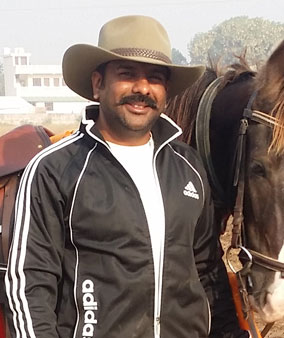
Stay close to nature at Maa Ashapura Farm – a
boutique retreat near Ranthambore National Park.
Enjoy wildlife safaris, Marwari horse experiences, yoga, nature walks, and
private dining.