
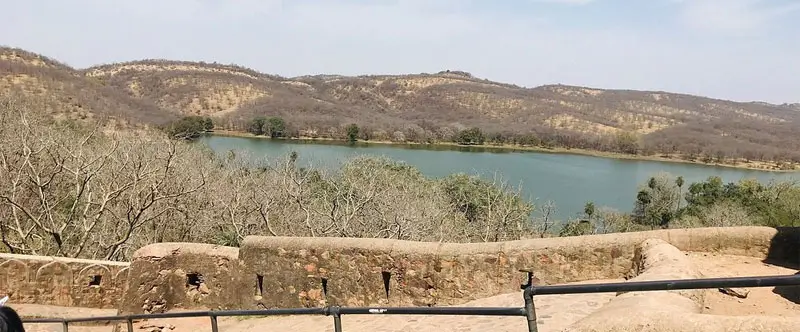
For decades, travel in India often followed a fast-paced checklist approach. Tourists rushed between monuments, packed itineraries, and popular attractions, trying to “cover” as many places as possible within limited time. This style of tourism emphasized speed and volume over depth and connection. However, a noticeable shift has emerged in recent years. Increasingly, travelers are choosing slow travel in India, prioritizing meaningful experiences over rushed schedules.
Slow travel is not about visiting fewer destinations simply to save time. It represents a mindset. It emphasizes immersion, presence, and emotional engagement. Travelers are intentionally stepping away from crowded tourist circuits and embracing quieter, more intimate environments. Instead of moving quickly from one landmark to another, they prefer to spend extended time in nature, rural landscapes, or boutique retreats that encourage relaxation and exploration.
This transformation reflects a broader cultural shift. Modern life already moves at high speed. Many travelers now seek journeys that counterbalance that pace rather than mirror it.
Overtourism has altered the atmosphere of many well-known destinations. Popular cities and monuments often face overwhelming visitor numbers, long queues, traffic congestion, and commercial saturation. For travelers seeking peace and authenticity, such environments can feel exhausting rather than restorative.
The appeal of offbeat travel destinations in India lies in their ability to offer calm and exclusivity. Nature reserves, rural estates, boutique farm stays, and wildlife retreats provide spacious environments where travelers can breathe without feeling rushed or crowded.
Crowds not only reduce comfort but also diminish sensory connection. Noise, hurried movement, and commercial distractions often overshadow cultural depth. Slow travel responds to this dissatisfaction by promoting quieter spaces where experiences unfold naturally.
Travelers increasingly value destinations that allow personal reflection and genuine engagement rather than curated tourist performance.
Stay longer, explore deeper, and enjoy authentic local experiences — from homestays to cultural interactions that bring you closer to the real India.
Chat On WhatsApp Contact UsSlow travel aligns with contemporary wellness priorities. After years of high-pressure routines, many individuals crave stillness. A slow travel retreat in India offers mental spaciousness that crowded destinations cannot provide.
Psychologists note that overstimulation contributes to fatigue and irritability. When travelers choose peaceful settings—such as countryside stays near wildlife reserves—they reduce environmental stressors. Open landscapes, natural light, and organic soundscapes create calming effects.
The slower pace allows travelers to notice details: the texture of rural architecture, the patterns of bird calls, the rhythm of sunrise over forested hills. These small observations accumulate into meaningful memories.
This deliberate deceleration enhances emotional satisfaction and reduces post-vacation exhaustion.
Traditional tourism often revolves around tight schedules. Slow travel removes this pressure. Instead of rushing between attractions, travelers spend extended time in a single region, exploring at a comfortable pace.
A boutique nature stay in Rajasthan, for instance, allows visitors to combine wildlife safaris, rural walks, farm experiences, and cultural interaction within one destination. There is no urgency to move quickly. Each experience unfolds organically.
This immersion fosters deeper understanding. Spending multiple mornings observing wildlife behavior or interacting with local communities creates richer narratives than brief, surface-level visits.
Travel becomes experiential rather than transactional.
Nature plays a central role in the rise of slow travel. Forest reserves, countryside estates, and rural farm stays naturally encourage unhurried exploration. Unlike urban tourism hubs, natural environments resist compression into quick visits.
A wildlife retreat near a national park invites early morning safaris, quiet afternoons, and sunset reflections. The absence of constant commercial distractions enhances presence.
Travelers seeking luxury slow travel experiences often choose destinations that combine comfort with ecological authenticity. Boutique properties surrounded by greenery offer privacy and tranquility without sacrificing refinement.
Nature’s unpredictability also supports slow engagement. Wildlife sightings require patience. Birdwatching demands attentiveness. These experiences cannot be rushed, reinforcing mindful travel behavior.
Digital saturation has contributed significantly to the slow travel movement. Constant online exposure often amplifies fear of missing out. Travelers rush to replicate trending locations or Instagram hotspots.
However, many individuals now recognize the exhaustion associated with performative travel. Instead of documenting every moment for social validation, they seek private enjoyment.
A digital detox retreat in India supports this shift. Limited connectivity in rural or wildlife settings reduces online distractions. Travelers engage directly with surroundings rather than through screens.
This transition enhances authenticity. Memories feel personal rather than curated.
Travel isn’t about how many places you visit — it’s about how deeply you experience them. Slow travel offers better well-being, deeper connections, and lasting memories.
Chat On WhatsApp Contact UsSlow travel often aligns with boutique accommodations. Unlike large hotels catering to mass tourism, boutique properties focus on intimacy and personalized service.
A private nature retreat in Rajasthan offers tailored experiences—guided wildlife drives, curated farm-to-table dining, and quiet open spaces. Such personalization reinforces exclusivity.
Travelers embracing slow travel value attention to detail. Smaller properties often create deeper host-guest relationships, enhancing comfort and trust.
The absence of large crowds within boutique environments amplifies serenity.
Slow travel also intersects with sustainability. By spending more time in fewer destinations, travelers reduce transportation frequency and environmental impact.
Choosing eco-conscious stays near wildlife reserves supports conservation efforts and local economies. Responsible travel becomes part of the journey rather than a secondary concern.
Many slow travelers prefer destinations that respect natural ecosystems and minimize commercial overdevelopment.
This alignment between mindfulness and environmental ethics strengthens the slow travel philosophy.
When travelers slow down, they engage more deeply with local culture. Rural markets, traditional crafts, and regional cuisine reveal themselves gradually.
Spending time in offbeat Rajasthan destinations beyond palaces and desert camps allows visitors to appreciate regional subtleties often overlooked in fast-paced itineraries.
Slow travel cultivates appreciation rather than consumption. Travelers leave with understanding rather than superficial impressions.
The emotional impact of slow travel extends beyond relaxation. It fosters gratitude. When travelers witness sunrise over open landscapes or observe wildlife in stillness, they reconnect with simplicity.
These experiences contrast sharply with urban overstimulation. Travelers return home with renewed perspective.
Slow travel does not eliminate luxury. It redefines it. Silence, space, and authenticity become primary luxuries.
It emphasizes immersive, unhurried exploration over fast itineraries.
Crowds reduce comfort and authenticity.
Yes, it encourages meaningful shared experiences.
Yes, they offer personalized and peaceful environments.
Yes, reduced stimulation enhances emotional balance.
Yes, fewer transitions lower environmental impact.
Yes, they naturally encourage patience and immersion.
Often yes, especially in rural or forest settings.
Yes, luxury can coexist with tranquility.
Travelers seek authenticity, privacy, and restoration.
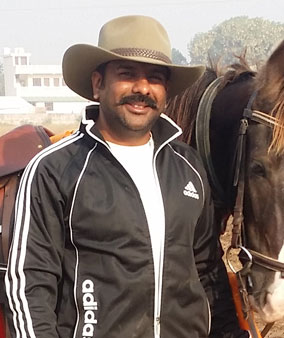
Stay close to nature at Maa Ashapura Farm – a
boutique retreat near Ranthambore National Park.
Enjoy wildlife safaris, Marwari horse experiences, yoga, nature walks, and
private dining.