
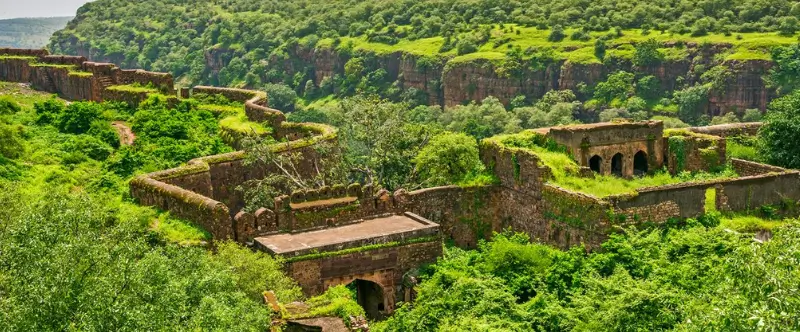
Standing proudly above the forests of Ranthambore National Park, Ranthambore Fort is among the most remarkable historical landmarks in Rajasthan. While many visitors associate Ranthambore with its famous tiger safaris, the fort offers an entirely different experience that combines heritage, spirituality, architecture, and spectacular natural scenery. Rising from the rugged Aravalli and Vindhya hill ranges, the fort overlooks dense forests, lakes, valleys, and ancient ruins that have witnessed centuries of royal history.
Unlike many historical monuments that can be explored simply by driving to the entrance, visiting this fort involves an enjoyable uphill walk. The Ranthambore Fort Trek is suitable for families, photographers, history enthusiasts, nature lovers, and travellers who enjoy combining outdoor exploration with cultural experiences. The route is well established, relatively comfortable for most visitors, and filled with fascinating stops that make the climb feel rewarding rather than exhausting.
One of the reasons this trek attracts travellers from around the world is the unique combination of heritage and wilderness. It is not often that visitors can walk through a protected forest landscape while approaching a massive medieval fortress recognised as part of the UNESCO World Heritage Hill Forts of Rajasthan. The atmosphere changes with every turn, from peaceful temple bells echoing across the hills to langurs relaxing on ancient walls and peacocks wandering near historic gateways.
The journey is equally rewarding for photographers. Every section of the trail offers changing perspectives of the surrounding forest, dramatic cliffs, ancient stone gateways, and panoramic viewpoints. During clear weather, visitors can admire lakes, dense tree cover, and the distant landscapes that have made Ranthambore one of India's most iconic wildlife destinations.
For guests staying at a peaceful boutique farm stay near Ranthambore, visiting the fort creates the perfect balance between wildlife adventures and cultural exploration. While the morning may begin with a thrilling Ranthambore Tiger Safari, the afternoon can be spent discovering centuries of history on foot without travelling far from the accommodation.
Instead of treating the fort merely as another sightseeing attraction, travellers should approach the experience as a journey through time where every gateway, temple, and stone pathway reveals stories of rulers, warriors, pilgrims, and wildlife that continue to shape the identity of Ranthambore today.
Leave the safari trails behind for a while and climb into Ranthambore’s extraordinary past. Discover ancient gateways, royal ruins, temples, and breathtaking views where history meets the wilderness.
Few forts in India possess the remarkable combination of strategic importance, architectural brilliance, religious significance, and natural surroundings that define Ranthambore Fort. Built high above the surrounding forests, the fort was carefully positioned to provide commanding views of the surrounding landscape while serving as a powerful defensive structure for centuries.
The history of the fort stretches back many centuries, with successive rulers expanding and strengthening its defences. Throughout its existence, the fort witnessed numerous battles, changing kingdoms, and important political events that shaped the history of Rajasthan. Massive stone walls, defensive gateways, ancient reservoirs, temples, and royal structures continue to reflect the engineering skills of medieval India.
Its recognition as part of the Hill Forts of Rajasthan UNESCO World Heritage Site further highlights its cultural importance. UNESCO recognised these forts not only because of their impressive architecture but also because they demonstrate how Rajput rulers adapted military construction to the challenging landscapes of Rajasthan. Ranthambore represents one of the finest examples where natural topography became an integral part of defence planning.
Religious heritage adds another fascinating dimension to the fort. The famous Trinetra Ganesh Temple attracts thousands of devotees throughout the year. Unlike many temples that remain isolated from historical monuments, this sacred shrine continues to function actively inside the centuries-old fortress. Pilgrims from different parts of India visit to seek blessings, making the fort a living heritage site rather than merely an archaeological monument.
Another remarkable aspect is its location within Ranthambore National Park. Visitors often hear birds calling throughout the trek while occasionally spotting deer, langurs, peacocks, and numerous other species. Although tiger sightings along the trekking route are extremely uncommon because of visitor activity, the awareness of walking within one of India's finest wildlife reserves creates an unforgettable atmosphere.
Architectural enthusiasts appreciate the fort's massive gateways, thick defensive walls, ancient stepwells, ruined palaces, watchtowers, and beautifully carved temples. Every structure reflects the practical needs of defence while maintaining the artistic traditions of Rajput architecture.
Unlike heavily commercialised monuments, Ranthambore Fort still retains much of its authentic historical character. Visitors can wander through open courtyards, quiet pathways, weathered stone walls, and centuries-old gateways while imagining how soldiers, kings, merchants, and pilgrims once travelled along the same routes.
For anyone interested in heritage tourism in Rajasthan, the fort represents one of the state's most rewarding historical experiences, offering far more than beautiful architecture alone.
A memorable trek begins long before reaching the fort entrance. Proper planning allows visitors to enjoy the walk comfortably while making enough time to appreciate every viewpoint, monument, and temple along the route.
The first decision involves selecting the right time of day. Morning visits remain particularly popular because temperatures are cooler and the soft sunlight creates excellent conditions for photography. Visitors finishing an early Ranthambore safari often choose to rest briefly before beginning the trek later in the morning. Others prefer the late afternoon when the golden light transforms the stone walls into spectacular shades of amber.
Comfortable walking shoes are strongly recommended because the trail consists of stone pathways, gentle inclines, uneven steps, and natural surfaces that can become slippery after rainfall. Lightweight clothing suitable for warm weather, along with sunglasses, sunscreen, and a hat, helps visitors remain comfortable during the climb.
Carrying sufficient drinking water is essential, particularly during warmer months. Although the trek is not considered technically challenging, the gradual uphill climb combined with Rajasthan's climate makes regular hydration important. Visitors planning to spend several hours exploring the fort may also wish to carry light snacks.
Photography enthusiasts should ensure cameras are fully charged before beginning the trek. Wide-angle lenses perform exceptionally well for capturing massive gateways and panoramic landscapes, while telephoto lenses help photograph wildlife and distant architectural details.
Travellers interested in history often benefit from reading about the fort before arriving. Understanding the background of the Rajput kingdoms, medieval warfare, and UNESCO recognition significantly enhances the overall experience because every structure begins telling a richer story.
Visitors staying at a luxury farm stay near Ranthambore often enjoy additional flexibility while planning their schedule. Without the time pressure commonly experienced during group tours, they can combine the fort visit with village experiences, farm walks, horse riding, or leisurely dining after returning from the trek.
Weather conditions also influence the overall experience. Clear days provide spectacular panoramic views extending across forests, lakes, and surrounding hills, while monsoon months create lush green landscapes that contrast beautifully against the ancient stone architecture.
Allowing several hours rather than rushing through the visit makes an enormous difference. The fort rewards slow exploration. Every courtyard, gateway, temple, and viewpoint deserves time to appreciate its historical significance and natural surroundings.
Visitors should remember that the journey itself is equally important as reaching the summit. Walking slowly allows countless opportunities to observe birds, admire architectural details, and absorb the peaceful atmosphere that defines one of Rajasthan's most extraordinary heritage sites.
The walk to Ranthambore Fort begins at the designated entrance inside the protected forest area, where visitors immediately notice the dramatic change in atmosphere. Unlike busy city monuments surrounded by traffic and commercial markets, the approach to the fort feels peaceful and connected with nature. Towering trees, rocky hillsides, occasional wildlife sightings, and the distant silhouette of the ancient fort create anticipation long before the first gateway appears.
The pathway has been used for centuries by rulers, soldiers, pilgrims, traders, and local communities. Today, modern visitors follow the same historic route, making the journey itself an important part of the overall experience rather than simply a means of reaching the destination. The gradual ascent allows travellers to appreciate how carefully the fort's location was selected. Every turn offers wider views across the forests, making it easy to understand why this hilltop fortress remained strategically important for generations.
As the climb progresses, the architecture begins revealing itself through massive defensive gates built to slow approaching armies. These gateways are among the most fascinating features of the trek because they demonstrate medieval military engineering. Each entrance forces visitors to change direction slightly, preventing direct access while providing defenders with excellent positions to protect the fort during attacks. Even today, the impressive stone construction reflects the remarkable craftsmanship achieved centuries ago.
Walking between these gateways also provides excellent opportunities for photography. Ancient stone walls covered with natural weathering, climbing vegetation, and dramatic lighting throughout the day create beautiful compositions for both professional photographers and casual travellers. Every section of the pathway presents a different perspective, ensuring the trek remains visually interesting from beginning to end.
The sounds accompanying the walk are equally memorable. Instead of traffic or city noise, visitors hear birds singing from the surrounding forest, gentle breezes moving through ancient trees, and temple bells echoing from higher elevations. These natural sounds enhance the feeling of stepping away from modern life into a landscape where history and wilderness continue to exist together.
Wildlife frequently becomes part of the journey. Langurs, peacocks, spotted deer visible in nearby clearings, colourful birds, butterflies, and squirrels often appear along different sections of the trail. While the route remains active with visitors and therefore larger predators generally stay deeper inside the forest, the possibility of sharing the landscape with Ranthambore's famous wildlife adds excitement to every step.
Families travelling with children usually find the trek manageable because the climb progresses gradually rather than becoming steep immediately. Frequent stops to admire scenery, photograph gateways, or observe wildlife naturally divide the journey into comfortable stages. Elderly visitors who maintain reasonable mobility can also complete the walk comfortably by taking regular breaks whenever needed.
Visitors often underestimate how much there is to see before reaching the summit. Instead of rushing directly toward the fort, taking time to appreciate each gateway, stone wall, viewpoint, and surrounding landscape transforms the walk into a rewarding historical experience. Every section contributes to understanding why Ranthambore Fort Trek remains one of Rajasthan's most enjoyable heritage walks.
Experience the rare beauty of walking through a historic hill fort surrounded by forests, lakes, hills, and wildlife. Ranthambore offers a journey where Rajasthan’s heritage and nature exist side by side.
Reaching the top marks the beginning of another fascinating journey. The interior of Ranthambore Fort covers a large area containing temples, ancient buildings, reservoirs, gateways, courtyards, ruined palaces, defensive walls, and panoramic viewpoints that deserve careful exploration. Visitors who allow enough time quickly realise that the fort is much larger than expected and offers numerous places worth discovering beyond its famous entrance.
Among the most important landmarks is the Trinetra Ganesh Temple, one of the oldest and most respected Ganesh temples in Rajasthan. Devotees from across India visit throughout the year to offer prayers, making this temple an active place of worship rather than simply a historical monument. The peaceful spiritual atmosphere blends naturally with the surrounding medieval architecture, creating a unique cultural experience that appeals to both religious pilgrims and international travellers interested in Indian traditions.
Another highlight includes the ancient palace ruins that once formed part of the royal complex. Although time has transformed many buildings into weathered stone remains, visitors can still recognise courtyards, halls, defensive structures, and elevated viewing areas that once served important royal functions. Walking through these ruins encourages imagination, allowing travellers to picture life inside the fortress during its most powerful period.
Several historic temples dedicated to different deities are scattered throughout the fort. Their architecture reflects various periods of construction, displaying beautifully carved stone pillars, decorative entrances, and peaceful surroundings. Unlike museums where history remains behind protective barriers, these temples continue to exist within their original setting, preserving an authentic connection with the past.
Large water reservoirs and traditional rainwater harvesting systems demonstrate the remarkable engineering abilities of earlier civilisations. Building a self-sufficient fortress on top of a hill required careful planning, particularly regarding water storage. These ancient reservoirs supported the fort's population during extended periods and remain impressive examples of sustainable design adapted to Rajasthan's climate.
Photographers particularly appreciate the numerous viewpoints positioned around the fort's outer walls. Looking across Ranthambore National Park, visitors enjoy sweeping panoramas featuring dense forests, lakes, rocky cliffs, and distant hills. During clear weather, the scenery extends for kilometres in multiple directions, making these viewpoints among the most rewarding locations within the entire complex.
Birdwatchers often spend additional time near quieter sections of the fort because elevated locations attract numerous bird species. Eagles circling overhead, peacocks displaying among ancient walls, parakeets, kingfishers near reservoirs, and many smaller woodland birds create excellent opportunities for wildlife observation without entering safari vehicles.
Visitors interested in architecture should examine the enormous defensive walls closely. Their impressive thickness, carefully positioned watchtowers, and strategic layout demonstrate why the fort remained difficult to capture for centuries. Every wall, gateway, and elevated platform reflects practical military planning combined with exceptional stone craftsmanship.
Because the fort contains numerous attractions spread across a large area, allowing adequate exploration time significantly improves the experience. Rather than focusing only on one temple or viewpoint, walking slowly through the entire complex reveals countless historical details that make Ranthambore Fort one of Rajasthan's richest heritage destinations.
Choosing the right season can dramatically influence the overall experience of the Ranthambore Fort Trek. Although the fort remains accessible during much of the year, weather conditions, visibility, wildlife activity, and visitor comfort vary considerably across different months. Understanding these seasonal differences helps travellers plan a more enjoyable visit.
The cooler months remain the most popular period for trekking because pleasant daytime temperatures make walking considerably more comfortable. Clear skies also provide exceptional visibility from the fort's viewpoints, allowing visitors to appreciate expansive landscapes stretching across Ranthambore National Park. Photographers particularly enjoy these conditions because crisp morning light and warm evening sunlight create excellent opportunities for capturing both architecture and natural scenery.
Early morning visits offer several advantages. The temperature remains comfortable, wildlife activity near the surrounding forest is often greater, and the softer sunlight enhances photography. Many travellers combine an early safari with a later morning fort visit, creating a full day dedicated to experiencing both wildlife and heritage.
Late afternoon provides another excellent option. As sunlight gradually becomes warmer, the ancient sandstone walls glow with beautiful golden colours that transform the appearance of the entire fortress. The surrounding hills also become especially attractive during this period, making sunset photography particularly rewarding from elevated viewpoints.
The monsoon season presents an entirely different atmosphere. Rainfall covers the surrounding landscape with vibrant greenery, dramatically changing the appearance of the forests below. Streams become more active, vegetation flourishes, and the contrast between lush green hills and ancient stone walls creates spectacular scenery rarely seen during drier months. Visitors should, however, exercise extra caution because certain pathways may become slippery after rainfall.
Summer visits require more preparation due to higher temperatures. Travellers choosing this period should begin their trek early in the morning, carry sufficient drinking water, wear lightweight clothing, and take regular breaks while climbing. Despite the heat, photography enthusiasts often appreciate the clear skies and dramatic lighting available during summer mornings.
Weekdays generally provide a quieter experience compared with weekends and public holidays. Visitors interested in peaceful photography, birdwatching, or leisurely exploration may find weekdays particularly rewarding because there are fewer crowds at viewpoints and temple areas.
Regardless of the season, checking local weather conditions before beginning the trek remains advisable. Comfortable footwear, sun protection, drinking water, and enough time for slow exploration contribute far more to the experience than attempting to rush through the fort in unsuitable conditions.
For guests enjoying a boutique farm stay near Ranthambore, planning becomes even easier because the fort is conveniently accessible without long travel times. This flexibility allows visitors to select the most suitable part of the day according to weather, photography preferences, and personal comfort while making the most of one of Rajasthan's finest heritage walks.
Yes. The trail is considered moderately easy and can be completed by most visitors with average fitness.
Most visitors spend between two and four hours, including time to explore the fort.
It is part of the UNESCO Hill Forts of Rajasthan World Heritage listing.
Yes. Families with children regularly visit the fort, although comfortable walking shoes are recommended.
The route includes stone pathways, gradual inclines, and sections with stairs, but it is generally manageable.
Yes. Visitors frequently spot langurs, peacocks, deer, birds, and other small wildlife around the trekking route.
Yes. The fort is one of the best places in Ranthambore for landscape, architecture, and wildlife photography.
Comfortable shoes, drinking water, sunscreen, sunglasses, a hat, and a camera are highly recommended.
Yes. The fort can be visited independently and does not require participating in a safari.
A boutique farm stay near Ranthambore offers an ideal base, allowing guests to combine the Ranthambore Fort Trek, Tiger Safari, nature walks, horse riding, farm experiences, and peaceful countryside relaxation within the same trip.

Stay close to nature at Maa Ashapura Farm – a
boutique retreat near Ranthambore National Park.
Enjoy wildlife safaris, Marwari horse experiences, yoga, nature walks, and
private dining.