
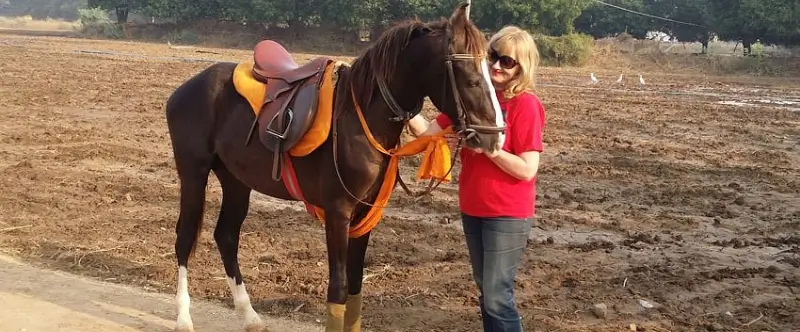
The Marwari Horse is one of India's most celebrated and visually distinctive horse breeds, admired for its elegant appearance, remarkable endurance, unwavering loyalty, and unmistakable inward-curving ears. For centuries, these magnificent horses have symbolised courage, royalty, and the rich equestrian traditions of Rajasthan. Long before modern transportation transformed travel, the Marwari horse carried kings into battle, accompanied noble families across deserts, and became an essential part of Rajput history.
Today, the breed continues to fascinate horse lovers, photographers, wildlife travellers, and cultural enthusiasts from around the world. While many visitors arrive in Rajasthan hoping to experience the thrill of a Ranthambore Tiger Safari, few realise that the region also offers an opportunity to connect with one of India's rarest and most prestigious horse breeds. Experiencing a well-trained Marwari Horse in the peaceful countryside surrounding Ranthambore provides a completely different perspective of Rajasthan, allowing travellers to appreciate its rural landscapes, traditional villages, and timeless heritage at a slower and more meaningful pace.
Unlike commercial horse rides found in many tourist destinations, riding a Marwari horse near Ranthambore is about understanding history, respecting the animal, and enjoying nature through an authentic countryside experience. Every ride reflects generations of careful breeding, skilled horsemanship, and deep cultural traditions that remain alive even today.
Whether you are passionate about horses, interested in Indian history, planning a luxury countryside holiday, or simply searching for unique experiences beyond wildlife safaris, understanding the Marwari Horse Breed adds another unforgettable dimension to any visit to Rajasthan.
The story of the Marwari Horse begins in the historic Marwar region of western Rajasthan, an area known for its vast deserts, powerful Rajput kingdoms, and centuries-old warrior traditions. Although historians continue to debate the exact origins of the breed, there is widespread agreement that the Marwari horse evolved through generations of selective breeding by Rajput rulers who required an animal capable of surviving the harsh desert environment while remaining fearless in battle. The result was a horse that combined intelligence, speed, stamina, agility, and unwavering loyalty to its rider.
For the Rajput kingdoms, horses were far more than a means of transport. They represented prestige, military strength, and royal honour. A warrior's horse was often considered his closest companion, trusted during battles where survival depended on speed, courage, and quick decision-making. The Marwari Horse earned an exceptional reputation because of its ability to remain calm under pressure, travel long distances across sandy terrain, and respond instantly to the commands of its rider.
Historical accounts describe these horses carrying soldiers across Rajasthan's difficult landscapes, including rocky hills, open plains, dry riverbeds, and desert regions where many other breeds struggled to perform. Their remarkable endurance allowed armies to move efficiently through territories with limited water and extreme temperatures. These characteristics helped establish the Marwari horse as one of India's finest indigenous breeds.
The breed also became closely associated with Rajasthan's royal courts. Kings, noble families, and military commanders invested significant resources into maintaining carefully managed breeding programmes. Only horses displaying the finest physical characteristics, intelligence, temperament, and endurance were selected for future generations. This selective approach preserved the breed's unique qualities and ensured that Marwari horses remained highly valued throughout history.
Over time, these horses appeared in royal processions, ceremonial celebrations, hunting expeditions, and diplomatic events. Beautifully decorated with traditional saddles, embroidered cloth, silver ornaments, and colourful accessories, they reflected the wealth and prestige of Rajasthan's ruling families. Paintings, palace murals, and historical manuscripts continue to depict Marwari horses standing proudly beside kings and warriors, reinforcing their importance within Rajasthan's cultural identity.
Despite changing political landscapes and the arrival of modern transportation, dedicated breeders worked tirelessly to preserve the purity of the breed. Today, conservation efforts have helped restore global appreciation for the Marwari Horse, allowing visitors from around the world to witness one of India's greatest equestrian treasures while exploring Rajasthan.
Discover the legendary Marwari Horse, a symbol of Rajput courage, loyalty, elegance, and royal heritage. Experience this extraordinary breed in the peaceful countryside of Ranthambore.
Among the many horse breeds found across the world, the Marwari Horse is instantly recognisable because of its distinctive appearance and extraordinary personality. The most famous characteristic is undoubtedly its elegant inward-curving ears. In many horses, the ear tips almost touch each other, creating a graceful silhouette that has become the defining symbol of the breed. This feature is unique enough that experienced horse enthusiasts can identify a Marwari horse immediately, even from a distance.
Beyond appearance, the breed possesses an athletic body designed for both endurance and agility. A well-built Marwari horse features a strong neck, deep chest, muscular shoulders, powerful hindquarters, and balanced proportions that enable it to move comfortably across varied terrain. Whether travelling through sandy desert tracks, rural villages, forest edges, or rocky pathways, the horse maintains impressive stability and confidence.
The movement of the Marwari horse is another feature admired by riders. Its natural gait is smooth and balanced, making long rides significantly more comfortable than many people expect. This quality explains why the breed has historically been favoured for journeys across Rajasthan, where travellers often covered considerable distances each day.
Temperament also distinguishes the Marwari horse from many other breeds. These horses are widely respected for their intelligence, curiosity, and strong bond with their handlers. Once trust has been established, they demonstrate remarkable responsiveness, carefully observing commands while remaining calm in unfamiliar surroundings. This dependable behaviour makes them suitable not only for experienced equestrians but also for visitors enjoying guided heritage rides under professional supervision.
Their adaptability deserves equal recognition. Rajasthan presents a challenging environment with changing temperatures, dry conditions, and demanding landscapes. Through centuries of natural selection and responsible breeding, the Marwari horse developed exceptional resilience, allowing it to perform efficiently where many imported breeds would struggle.
Colour variations add further beauty to the breed. Visitors may encounter elegant white, black, chestnut, bay, grey, or spotted Marwari horses, each displaying its own distinctive personality and appearance. Regardless of colour, the breed consistently demonstrates the same proud posture, alert expression, and graceful movement that have made it famous worldwide.
Unlike horses trained purely for sport or competition, the Marwari Horse represents a living cultural heritage. Riding one is not simply a recreational activity. It is an opportunity to experience centuries of Rajasthan's history through an animal that continues to embody bravery, loyalty, elegance, and tradition.
Many travellers naturally associate Ranthambore with wildlife safaris, but the region offers far more than tiger sightings alone. The peaceful countryside surrounding the national park provides one of the most authentic environments to experience the Marwari Horse. Instead of busy urban streets or crowded tourist attractions, riders explore quiet village roads, agricultural fields, forest edges, and scenic landscapes that reflect the traditional character of rural Rajasthan.
The setting plays an important role in shaping the experience. Riding through open farmland during sunrise or late afternoon creates a sense of tranquillity rarely found in more commercial destinations. Gentle breezes, distant hills, grazing livestock, traditional mud houses, and expansive agricultural landscapes provide an authentic backdrop that perfectly complements the graceful movement of the Marwari horse.
A boutique farm stay near Ranthambore enhances this experience even further. Guests are able to enjoy personalised horse riding sessions led by experienced handlers who understand both the horses and the surrounding countryside. Rather than rushing through a short ride, visitors have the opportunity to appreciate the rhythm of rural life while learning about local traditions, farming practices, and the historical importance of horses within Rajasthan.
Photography enthusiasts find these rides particularly rewarding. The combination of elegant horses, natural landscapes, traditional villages, and warm Rajasthan sunlight creates exceptional opportunities for memorable photographs. Every stage of the journey offers changing scenery, allowing travellers to capture images that reflect both cultural heritage and natural beauty.
Horse riding also provides a welcome contrast to the excitement of a Ranthambore Tiger Safari. While safaris focus on searching for wildlife within the national park, a countryside ride encourages visitors to slow down, observe everyday village life, and enjoy meaningful interactions with local communities. Together, these experiences create a well-balanced itinerary combining adventure, heritage, culture, and relaxation.
For international travellers seeking authentic experiences rather than crowded tourist activities, riding a Marwari Horse near Ranthambore becomes one of the most memorable highlights of their Rajasthan journey. It reflects the region's royal past while offering a peaceful connection with its present-day rural landscapes, making it an experience that remains long after the holiday has ended.
Stay close to nature, meet the iconic Marwari Horse, explore rural Rajasthan, and combine your experience with wildlife, local culture, and personalized hospitality for a richer Ranthambore escape.
The Marwari Horse is best known for its unique inward-curving ears, remarkable endurance, intelligence, and strong bond with its rider. It is one of India's oldest native horse breeds and has been associated with Rajasthan's royal heritage for centuries.
The breed originated in the Marwar region of Rajasthan, where Rajput rulers selectively bred horses that could withstand harsh desert conditions while remaining agile, loyal, and fearless during long journeys and battles.
Yes. Guided Marwari Horse Riding experiences are suitable for beginners. Professional handlers match riders with well-trained horses and provide basic riding instructions before the journey begins.
Ranthambore offers peaceful countryside trails, traditional villages, scenic farmland, and a natural environment that perfectly complements the elegance of the Marwari Horse. It provides a more authentic experience than crowded tourist destinations.
Yes. When organised by experienced professionals using trained horses and proper safety practices, horse riding is a safe activity for families, couples, and solo travellers. Children should always ride under supervision.
The duration varies depending on the chosen experience. Most guided rides range from one hour to several hours and can include countryside trails, village visits, and scenic viewpoints.
Comfortable full-length trousers, closed walking shoes or riding boots, lightweight clothing, sunglasses, and a hat are recommended. Carrying a bottle of water and sunscreen is also advisable, especially during warmer weather.
Yes. Many visitors enjoy an early morning or afternoon Ranthambore Tiger Safari followed by a relaxing Marwari Horse Riding experience, creating a balanced itinerary that combines wildlife, culture, and rural exploration.
Yes. Photography is encouraged throughout the ride. The countryside surrounding Ranthambore provides beautiful opportunities to capture the horses, village landscapes, open fields, and the natural beauty of Rajasthan.
A boutique farm stay in Ranthambore offers one of the finest settings for experiencing Marwari Horse Riding, allowing guests to combine countryside activities, wildlife safaris, farm experiences, local culture, and personalised hospitality within a peaceful natural environment.
Stay close to nature at Maa Ashapura Farm – a
boutique retreat near Ranthambore National Park.
Enjoy wildlife safaris, Marwari horse experiences, yoga, nature walks, and
private dining.