
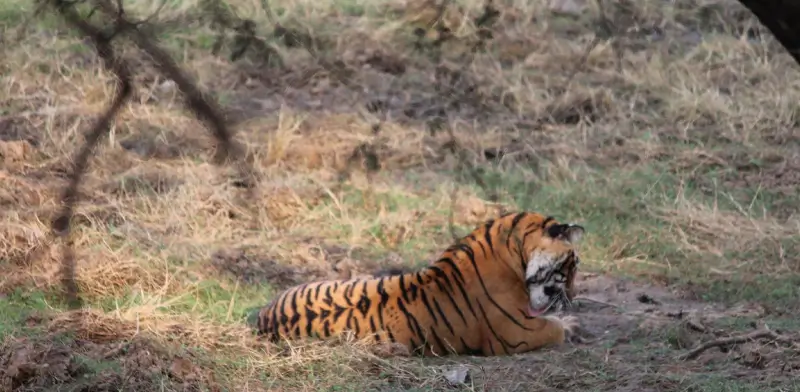
When it comes to wildlife safaris in Ranthambore National Park, few places generate more excitement than Zone 3 and Zone 4. These two zones are considered the core of tiger country, where some of the park's most famous big cats have ruled for years and where sightings are not just likely, but legendary.
At Maa Ashapura Boutique Farm, many of our guests ask us which zones to choose for the best chance of spotting a tiger. And while every zone in Ranthambore has its own charm, there’s something truly special about the raw drama and beauty of Zone 3 and Zone 4. This blog will give you a closer look into what makes these two zones the most sought-after in the park.
Zone 3: Lakes, Legends and Landscapes
Zone 3 is perhaps the most picturesque zone in Ranthambore. It includes the famous Rajbagh Lake, Padam Lake, and Malik Lake all surrounded by dense forest, open grasslands, and the distant silhouette of Ranthambore Fort watching from above. This combination of water bodies and open terrain attracts a wide variety of animals and offers incredible visibility for tourists.
Zone 3 has been the home range of some of Ranthambore’s most iconic tigers, including the legendary Machhli (T-16) once the most photographed tigress in the world. Even after her passing, her legacy lives on in her descendants who still patrol the area. Today, tigers like Arrowhead (T-84) and her offspring have been seen frequently around the lakes, along with other residents who often make dramatic appearances.
The best time to visit Ranthambore National Park Morning safaris in Zone 3 are magical. The rising sun over the lakes creates a dreamlike atmosphere and the chances of spotting a tiger near water are high especially in the dry season (March to June).
What Makes It Special?
Zone 4 may not have as many open water bodies as Zone 3, but what it lacks in lakes, it makes up for in dense vegetation, rocky outcrops, and dramatic jungle trails. The zone offers a more rugged safari experience and is filled with surprise sightings when you least expect them. Zone 4 is ideal for those who enjoy the hunt — not just in terms of big cat sightings, but also in listening to nature’s cues: an alarm call, a movement in the bushes, a fresh pugmark on the trail.
Tiger Territory
Zone 4 has been home to several dominant tigers over the years. The legendary male T-25 (Dollar) was a known resident, and later, tigresses like Krishna (T-19) and her cubs brought many tourists here. Today, Riddhi and Siddhi, two bold young tigresses, are frequently sighted in the zone. This zone is also where inter-tiger interactions like territorial fights or mating behavior have occasionally been witnessed, making it a favorite for wildlife filmmakers and photographers.
What You Might See
Best Time to Visit
Zone 4 is great in both morning and evening, but due to its shaded terrain and dense cover, tigers often move here during hotter days to stay cool. It’s an exciting zone for those willing to wait and watch.
Zone 3 in Ranthambore is often considered the most scenic and beginner-friendly zone in the park. With its stunning lakes, Rajbagh, Padam and Malik - framed by open grasslands and the backdrop of Ranthambore Fort, it offers wide visibility and a serene safari experience. The open landscape makes it easier to spot wildlife, especially tigers, which are frequently seen lounging near water bodies or walking along forest trails. This zone has been home to some of Ranthambore’s most iconic tigers, including Machhli and her descendants and remains a favorite among photographers and families seeking reliable sightings in a beautiful setting.
Zone 4, on the other hand, offers a more rugged and immersive safari experience. Known for its rocky hills, dense forest cover, and dramatic ravines, it’s ideal for those who enjoy the thrill of tracking tigers in more natural and
challenging terrain. Sightings here often feel more adventurous tigers can appear suddenly from behind thick vegetation or be found resting in shaded streambeds. The zone has seen intense tiger activity in recent years, with resident tigresses like Riddhi and Siddhi frequently spotted. While it may not be as open as Zone 3, the excitement of Zone 4 lies in its unpredictability and wild, untouched feel.
Honestly, you can’t go wrong with either zone. Many seasoned safari-goers recommend trying both if your schedule allows them to offer very different but equally memorable experiences.
At Maa Ashapura Boutique Farm, we help our guests not only book safaris but also understand how each zone works based on the season, weather, and latest tiger movement. Our location just minutes from the main safari gate makes early starts easy and stress-free. After your safari, return to our peaceful farmstay to relax with a hot meal, some local folk music, and stories around the bonfire. We’re here to make sure your Ranthambore trip is not just a safari — but a complete and jungle experience.
Final Thoughts
Zone 3 and Zone 4 are the heart of Ranthambore’s tiger territory, filled with history, drama, and unforgettable encounters. Whether it’s a tiger drinking at the lake in Zone 3 or stalking silently through the undergrowth in Zone 4, these zones promise to give you the thrill of the wild. Planning your safari? Let us help you choose the right zone and make your wildlife dream a reality. Book your stay at Maa Ashapura Boutique Farm and experience Ranthambore the way it was meant to be raw, real and unforgettable.
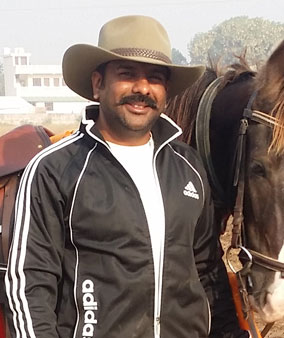
Stay close to nature at Maa Ashapura Farm – a
boutique retreat near Ranthambore National Park.
Enjoy wildlife safaris, Marwari horse experiences, yoga, nature walks, and
private dining.