
Rajasthan has long been the crown jewel of India’s tourism — a land of palaces, forts, festivals, and royal heritage. For decades, travelers have come seeking grandeur and history, often staying in large hotels that echoed the opulence of the maharajas. But today, a quiet revolution is reshaping how people experience this desert state. The rise of boutique stays in Rajasthan has changed hospitality from something grand and distant to something intimate and meaningful.
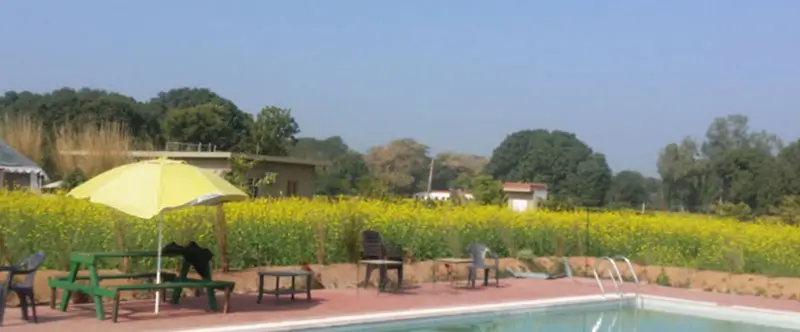
Among this new wave of destinations, Maa Ashapura Boutique Farm in Ranthambore stands as a shining example. Blending modern comfort with rural charm, it represents a growing movement toward travel that values authenticity over extravagance and emotion over excess.
This evolution is not just about where people stay, but how they connect — with the land, with culture, and with themselves.
For years, Rajasthan’s tourism identity was defined by heritage hotels housed in old palaces and forts. They offered grandeur and history but often lacked personal warmth. Travelers admired the architecture but remained detached from the real Rajasthan outside the palace walls.
That began to change as a new generation of travelers emerged — people who wanted stories, not just sights. They wanted to understand the local way of life, eat farm-fresh food, and feel at home while still enjoying comfort. This is where boutique stays stepped in, changing the narrative completely.
A boutique property like Maa Ashapura Farm doesn’t aim to replicate royal luxury; instead, it redefines it. Here, luxury means space to breathe, organic meals made from ingredients grown steps away, and the genuine smile of a host who remembers your name. It’s about emotional luxury — the feeling of belonging.
Across Rajasthan — from Jaipur and Udaipur to Pushkar and Ranthambore — small, design-driven properties are flourishing. These boutique stays usually have limited rooms, but every detail is curated to reflect a sense of place.
At Maa Ashapura Boutique Farm, the focus is on comfort that feels organic. The architecture draws inspiration from traditional Rajasthani design — stone walls, thatched roofs, courtyards, and handwoven fabrics — yet it remains contemporary and uncluttered. The goal isn’t to impress guests with marble and chandeliers but to immerse them in authenticity.
This new wave of eco-luxury stays aligns with global trends where travelers seek destinations that are sustainable, ethical, and community-oriented. In Rajasthan, where hospitality has always been an art form, the transition feels natural.
What sets boutique stays apart is their scale and soul. With fewer rooms and dedicated teams, guests are treated like extended family rather than customers. Every experience feels tailor-made.
At Maa Ashapura Boutique Farm, this personalization is the essence of its charm. The hosts remember how you take your tea, what kind of food you prefer, and which view you like to wake up to. They adjust the itinerary based on your mood — whether you want a quiet morning of yoga or an impromptu village visit.
Unlike large hotels with standard packages, boutique properties thrive on flexibility. Guests can request private dinners under the stars, special yoga sessions, or even cooking lessons with the local chef. This adaptability creates emotional bonds that go far beyond the check-out date.
Such hospitality resonates deeply with today’s conscious traveler, who values sincerity more than spectacle.
In the past, luxury often meant excess — sprawling lawns, imported décor, and wasteful indulgence. Boutique properties like Maa Ashapura Boutique Farm are rewriting that definition. Here, sustainability is the new luxury.
Every element of the resort is designed with environmental mindfulness. Locally sourced materials reduce transport emissions, while solar energy powers much of the infrastructure. Water is harvested naturally, waste is composted, and organic farming replaces artificial landscaping.
This model doesn’t just reduce the carbon footprint — it elevates the guest experience. Visitors eat farm-to-table meals, sleep in naturally cooled rooms, and enjoy the comfort of eco-conscious living. The result is a stay that feels pure and purposeful.
Travelers increasingly choose eco-resorts in Rajasthan not only for comfort but also to align their choices with their values. The sense of doing good while feeling good has become the hallmark of modern travel.
A defining trait of boutique hospitality is its celebration of locality. Instead of copying global aesthetics, these stays reflect the art, texture, and rhythm of their surroundings.
Maa Ashapura Boutique Farm embodies this beautifully. The cottages are inspired by Rajasthani farmhouses — rustic yet refined. Handcrafted furniture, pottery, and woven fabrics give each space a soul. The color palette borrows from nature — earthy browns, terracotta reds, and the greens of the fields.
Local artisans play a vital role in shaping the property. By sourcing décor and materials from nearby villages, the resort sustains traditional crafts while creating a unique aesthetic that can’t be replicated elsewhere.
Guests often find themselves photographing walls, doorways, and lamps — not because they’re luxurious, but because they feel alive with history and craftsmanship.
This integration of design and culture makes boutique stays like Maa Ashapura stand out — they don’t feel built, they feel grown.
The modern traveler no longer measures value by the number of facilities but by the depth of experiences. Boutique properties focus on this shift by curating moments that connect rather than impress.
At Maa Ashapura Boutique Farm, experiences unfold naturally — watching farmers work in the fields, learning yoga at sunrise, joining a village woman for chai, or listening to folk songs by the bonfire. There’s no checklist, no rush — only presence.
This experiential approach turns a short trip into something soulful. Guests leave with stories, not souvenirs. They remember the peacock calls at dawn, the taste of home-cooked dal, or the smile of the gardener who shared stories about the monsoon crops.
Such moments redefine what authentic Rajasthan hospitality means in the modern age — it’s not about grandeur but grace.
Behind every boutique stay in Rajasthan lies a ripple effect of empowerment. These properties depend heavily on local communities — for construction, food supply, art, and culture — creating sustainable livelihood opportunities.
At Maa Ashapura Farm, nearly all staff come from nearby villages. From housekeeping to kitchen staff, everyone contributes skills rooted in tradition. The property also partners with local artisans to sell handicrafts and home décor, ensuring fair wages and preserving fading art forms.
Cultural nights, where folk musicians and dancers perform, not only entertain guests but also support rural artists. This model keeps heritage alive while allowing communities to benefit directly from tourism.
Unlike mass resorts, boutique stays form symbiotic relationships — where guests gain insight, and locals gain dignity and income.
This integration of hospitality and humanity gives boutique tourism a purpose that goes beyond profit.
The boutique travel movement aligns perfectly with the philosophy of slow travel — spending more time in one place, engaging deeply with its culture, and reducing the rush of ticking destinations off a list.
Maa Ashapura Boutique Farm encourages this rhythm naturally. Days here are unhurried — mornings filled with yoga, afternoons with farm walks, and evenings around the fire. Guests are invited to do less but feel more.
This slowdown restores balance. It allows travelers to experience what Rajasthan truly is — a land of quiet grace, where time moves with the wind and stories are told through silence.
In an age of instant gratification, boutique stays remind us that real luxury lies in stillness and simplicity.
The success of boutique hospitality has reshaped Rajasthan’s tourism landscape. Once dominated by heritage palaces and large chains, the market now embraces small, sustainable, and design-driven properties.
Regions like Ranthambore, Pushkar, and Shekhawati are seeing a rise in boutique farms and eco-lodges that cater to discerning travelers who seek comfort with conscience.
Maa Ashapura Boutique Farm stands at the forefront of this movement — a blend of elegance and ethics. Its popularity among wellness seekers, wildlife lovers, and responsible travelers proves that the future of Rajasthan hospitality is rooted in meaning, not magnitude.
Even luxury brands are beginning to adapt, drawing inspiration from the intimate charm of boutique stays. The transformation is cultural as much as commercial — hospitality is rediscovering its heart.
A stay at a boutique resort doesn’t end when the journey does. Guests carry home a feeling — of warmth, of connection, of being part of something genuine.
At Maa Ashapura Farm, travelers often write that what touched them most wasn’t the décor or food, but the people — the gardener’s stories, the cook’s laughter, the manager’s thoughtfulness. These human touches create emotional imprints far deeper than luxury ever could.
This is the new Rajasthan — a destination that doesn’t just show its beauty but shares it. Boutique stays become bridges between tradition and transformation, between the traveler and the timeless.
As travelers continue to evolve, boutique stays are set to lead Rajasthan’s next decade of tourism. Their scalability, sustainability, and storytelling power give them a strong edge in a world where authenticity is the ultimate aspiration.
Properties like Maa Ashapura Boutique Farm are proving that hospitality can be profitable without losing its soul. They demonstrate that small can be powerful, local can be luxurious, and simplicity can be spectacular.
The future belongs to places that make guests feel connected — to the environment, the community, and themselves. And Rajasthan, with its deep sense of culture and resilience, is the perfect canvas for this evolution.
Q.1 What makes a boutique stay different from a regular hotel?
A boutique stay offers personalized service, local design, and limited rooms focused on experience rather than scale.
Q.2 Why is Maa Ashapura Farm considered a boutique property?
It combines comfort, sustainability, and cultural immersion within a small, design-led setup in Ranthambore.
Q.3 Are boutique stays more expensive than hotels?
Not always. Many boutique stays offer mid-range prices with far more authenticity and personalization.
Q.4 Do boutique properties in Rajasthan follow sustainable practices?
Yes, most boutique stays emphasize eco-friendly construction, organic food, and local sourcing.
Q.5 Is Maa Ashapura suitable for families or only couples
It’s ideal for both — offering privacy for couples and open spaces with nature for families.
Q.6 Can I host small events or gatherings at the farm?
Yes, the property is perfect for intimate celebrations, retreats, and destination weddings.
Q.7 Do boutique stays employ local staff?
Yes, local employment is a core part of the boutique hospitality model, supporting nearby communities.
Q.8 Are boutique stays safe for solo travelers?
Absolutely. Their small size ensures personal attention and a secure, homely environment.
Q.9 Do boutique hotels in Rajasthan offer modern amenities?
Yes, they blend traditional charm with modern comfort like air conditioning, Wi-Fi, and curated dining.
Q.10 Is boutique travel the future of Rajasthan tourism?
Yes, travelers increasingly prefer smaller, meaningful, and sustainable stays that reflect local culture.

Stay close to nature at Maa Ashapura Farm – a
boutique retreat near Ranthambore National Park.
Enjoy wildlife safaris, Marwari horse experiences, yoga, nature walks, and
private dining.