
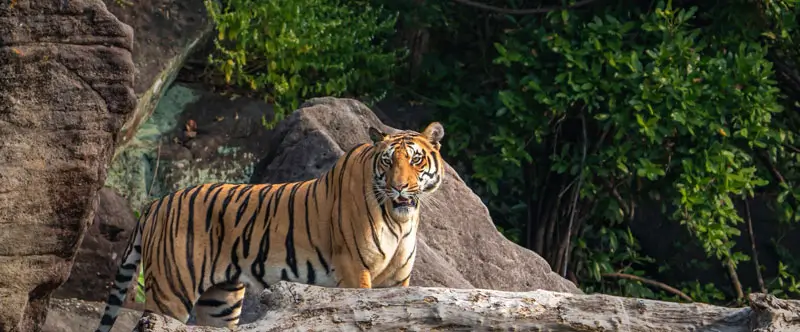
A trip to Ranthambore National Park is often a once-in-a-lifetime experience. Spotting the majestic Bengal tiger, hearing the alarm calls of deer, and watching exotic birds fly across the lakes make it an unforgettable adventure.
But to truly enjoy the safari, one must be well-prepared.
Packing for a wildlife safari is different from packing for a regular holiday. The wrong clothes or missing essentials can make your trip uncomfortable, while the right preparation can elevate the entire experience. Whether you are a seasoned traveler or visiting a jungle for the first time, this guide provides a comprehensive packing list for Ranthambore Safari—covering clothing, gadgets, medicines, and special tips for families, photographers, and international tourists.
Neutral-Colored Outfits
The golden rule of wildlife safaris is to blend with the environment. Bright colors can disturb animals or make you too visible. Stick to earthy tones like beige, brown, olive green, or grey.
Light Layers for Winters
Ranthambore mornings and evenings during winter (October–March) can be extremely cold, sometimes dropping to 5–6°C. Pack:
Layering is important because mornings are cold, afternoons are pleasant, and evenings cool down again.
Summer Clothing
During April–June, temperatures can soar above 40°C. Pack:
Rainy Season Precautions
Though the park’s core zones remain closed from July–September, buffer zones and surrounding areas may still be accessible. Carry a light raincoat or poncho if visiting in the monsoon.
Comfortable footwear is a must. Safaris don’t require trekking, but you will spend hours sitting and occasionally walking short distances.
Binoculars
A good pair of binoculars enhances the experience, especially for spotting birds or animals at a distance. Compact 8x42 binoculars are perfect for safaris.
Camera & Lenses
If you’re into photography, carry:
Backpack
Carry a small, sturdy backpack to store your essentials like water, snacks, camera, and medicines. Opt for waterproof material to protect gadgets.
First-Aid Kit
Sun Protection
Hydration
Masks and Sanitizers
Even after the pandemic, carrying masks and sanitizers is a good idea, especially in crowded safari vehicles.
Packing for Ranthambore is about being practical, comfortable, and respectful of the environment. The right gear ensures you enjoy every moment, whether it’s spotting a tiger by the lake, watching birds soar at sunrise, or enjoying the crisp winter air in an open jeep.
For families, careful packing keeps kids happy. For photographers, it ensures no missed shot. For international travelers, it means a smooth experience without last-minute stress.
In the end, the goal is simple—be prepared so you can focus entirely on the magic of Ranthambore’s wilderness. A well-packed bag can be the difference between an uncomfortable trip and an unforgettable adventure.
So, before you set off, run through this list and tick off each item. Then sit back, relax, and get ready for the roar of the tiger.
Stay close to nature at Maa Ashapura Farm – a
boutique retreat near Ranthambore National Park.
Enjoy wildlife safaris, Marwari horse experiences, yoga, nature walks, and
private dining.