
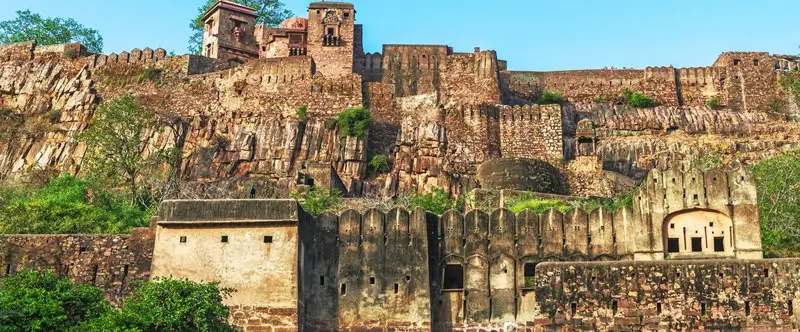
Rajasthan is often introduced to travelers through its grandest gestures. Towering forts, busy bazaars, color-soaked streets, and tightly packed itineraries dominate most journeys through the state. For first-time visitors, this spectacle feels exhilarating. Over time, however, many travelers begin to feel overwhelmed rather than enriched. The constant movement from one landmark to another leaves little room for reflection, rest, or genuine connection. Rajasthan, in these moments, feels like something to be consumed rather than lived.
Yet beyond the well-trodden routes exists another Rajasthan—one that does not compete for attention or demand admiration. This quieter version unfolds slowly, through landscapes, villages, and regions where time stretches naturally. For travelers tired of forts and crowds, these places offer something far more valuable than sightseeing: the opportunity to slow down and feel present again.
Forts carry undeniable power. They speak of history, strength, and endurance. But when travel revolves exclusively around them, the experience can become repetitive. Each day begins to follow a similar pattern—arrival, climb, crowd, photographs, departure. Over time, the emotional impact of these monuments dulls, even though their physical presence remains impressive.
Many travelers experience a quiet fatigue they cannot immediately explain. It is not boredom, but saturation. The mind remains alert without ever resting. Slowing down in Rajasthan does not require abandoning its heritage; it requires stepping away from a rhythm that prioritizes accumulation over absorption. Only then does the region begin to reveal its softer layers.
Discover peaceful countryside stays, authentic village life, organic farm experiences, and relaxing nature escapes beyond Rajasthan’s famous forts. Reconnect with simplicity, local culture, and the beauty of slow travel at Maa Ashapura Farm.
Chat On WhatsApp Contact UsMost itineraries treat Rajasthan as a sequence of cities connected by highways. What lies between those cities is often ignored or rushed through. Yet these in-between spaces hold a different energy altogether. Open land stretches without interruption. Roads feel quieter. Settlements feel proportionate to their surroundings rather than built to impress.
Travelers who spend time in these spaces often describe a physical sense of release. There is no pressure to document or evaluate what they see. The landscape does not ask to be photographed. It simply exists. This version of Rajasthan encourages travelers to observe without expectation, allowing the journey to unfold without agenda.
Luxury in Rajasthan is easy to find. Silence is not. In popular destinations, sound lingers constantly—voices, vehicles, music, movement. Even moments meant to feel peaceful are interrupted by activity.
In quieter regions, silence settles naturally. It is not enforced or curated. It arrives as part of the environment. This silence allows the nervous system to soften, thoughts to complete themselves, and awareness to deepen. Travelers often realize they have not experienced uninterrupted quiet in years. The effect is immediate and lasting, making silence one of the most restorative elements of slow travel in Rajasthan.
Ranthambore is widely associated with wildlife tourism, yet its surroundings offer one of the most accessible slow-travel environments in the state. Away from safari gates and peak zones, the pace shifts dramatically. Fields replace traffic. Forest edges replace crowds. Days unfold without urgency.
Travelers who stay longer in these areas often find themselves recalibrating. Mornings feel spacious. Evenings stretch gently. The absence of constant stimulation allows the mind to settle. Ranthambore, in this context, becomes less about wildlife encounters and more about emotional balance.
Some places invite action. Others invite stillness. Rajasthan’s quieter regions fall firmly into the second category. There is no checklist to complete, no attraction demanding attention. This lack of agenda initially unsettles travelers accustomed to structured experiences.
Gradually, however, the body adapts. Movement slows. Observation replaces consumption. Sitting becomes as valuable as doing. This shift allows travelers to reconnect with sensations—temperature, texture, sound—that often go unnoticed in fast-paced environments. The landscape becomes a companion rather than a backdrop.
In crowded destinations, time feels segmented and compressed. Days are divided into transfers, bookings, and deadlines. Slower regions allow time to feel continuous again. Morning flows naturally into afternoon. Evenings arrive without rush.
This continuity restores internal rhythm. Travelers often report sleeping better, thinking more clearly, and feeling less reactive. Time stops being something to manage and starts being something to inhabit. This change alone can redefine how travel is remembered.
Rural areas around Rajasthan operate on repetition rather than acceleration. Daily tasks follow familiar patterns shaped by land and season. There is little emphasis on efficiency, yet everything necessary gets done.
Travelers observing this rhythm often feel unexpectedly grounded. The constant urge to optimize fades. Life feels sufficient as it is. This emotional grounding is particularly valuable for those carrying burnout, decision fatigue, or mental overload from urban life.
Large hotels often shield guests from environment. Smaller, nature-oriented stays do the opposite. They allow light, sound, and weather to enter daily experience.
This openness supports slower mornings, longer meals, and deeper sleep. Travelers feel part of the place rather than insulated from it. These stays naturally encourage presence without instruction, making them ideal for slow travel.
One of the clearest signs that slowing down has taken hold is internal silence. The mind stops organizing the next activity and releases its grip on the future. In Rajasthan’s quieter regions, this happens organically because there are fewer demands on attention. Without attractions pulling the mind forward, thoughts settle into the present moment. Travelers often describe a sense of relief when they realize they are no longer mentally arranging the rest of the day. This stillness does not feel forced; it feels earned through environment. Awareness deepens, emotions become accessible, and the experience leaves a lasting imprint because it contrasts so sharply with everyday life.
Tourist-heavy destinations often perform Rajasthan for visitors. Quieter regions simply live it. There is no effort to impress, no story crafted for approval. Life continues whether visitors notice or not.
This honesty resonates deeply with travelers seeking authenticity rather than spectacle. The experience feels grounded rather than curated, allowing a genuine connection to form without effort.
Step away from busy tourist spots and enjoy peaceful farm stays, natural surroundings, traditional hospitality, and authentic local experiences in Rajasthan. Slow down, relax, and experience rural life with comfort and serenity at Maa Ashapura Farm.
Chat On WhatsApp Contact UsFast travel emphasizes seeing. Slow travel emphasizes being. In Rajasthan’s quieter places, travelers stop collecting visuals and start collecting sensations. The warmth of sunlight. The sound of wind. The texture of earth underfoot.
These sensory experiences linger longer than photographs because they are felt rather than captured. Travel becomes embodied rather than documented.
This version of Rajasthan speaks to travelers who feel overstimulated, rushed, or emotionally disconnected. It rewards patience rather than ambition and challenges the belief that travel must always be active.
For many, this becomes the most meaningful part of their journey—not because it offers more, but because it asks for less.
Slowing down does more than relax the body. It recalibrates perception. Travelers return home with altered tolerance for noise, speed, and excess. Choices shift subtly, often without conscious effort.
This change emerges naturally through experience rather than intention, making it more durable than temporary rest.
When Rajasthan stops performing, it reveals depth. This depth cannot be consumed quickly. It must be lived slowly.
Those who allow this discover a version of the state that stays with them long after the journey ends.
Because emotional and sensory experiences endure beyond visual memories.
Yes, many quiet regions are well connected and welcoming.
Yes, reduced stimulation and natural rhythm support recovery.
Yes, families often reconnect more deeply in calm environments.
Comfort exists through space, rest, and emotional ease rather than excess amenities.
Yes, even a few days can create noticeable mental reset.
Initial restlessness is common, but most travelers adapt quickly.
Yes, particularly outside busy safari zones where calm dominates.
No, slower regions work best when balanced with iconic sites.
Yes, especially beyond major tourist circuits where space and rhythm support deeper engagement.
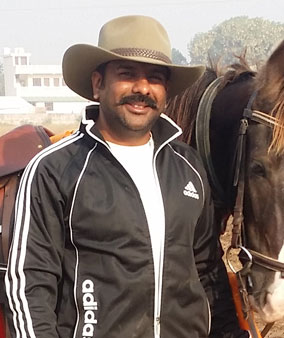
Stay close to nature at Maa Ashapura Farm – a
boutique retreat near Ranthambore National Park.
Enjoy wildlife safaris, Marwari horse experiences, yoga, nature walks, and
private dining.